Designing High-Performance Waste Processing Plants: From Advanced Screening to Fully Integrated Systems
In the current recycling landscape, “performance” is no longer defined by a single machine. It is determined by how effectively ...
In the current recycling landscape, “performance” is no longer defined by a single machine. It is determined by how effectively an entire system synchronises to transform raw feedstock into high-purity, high-value output.
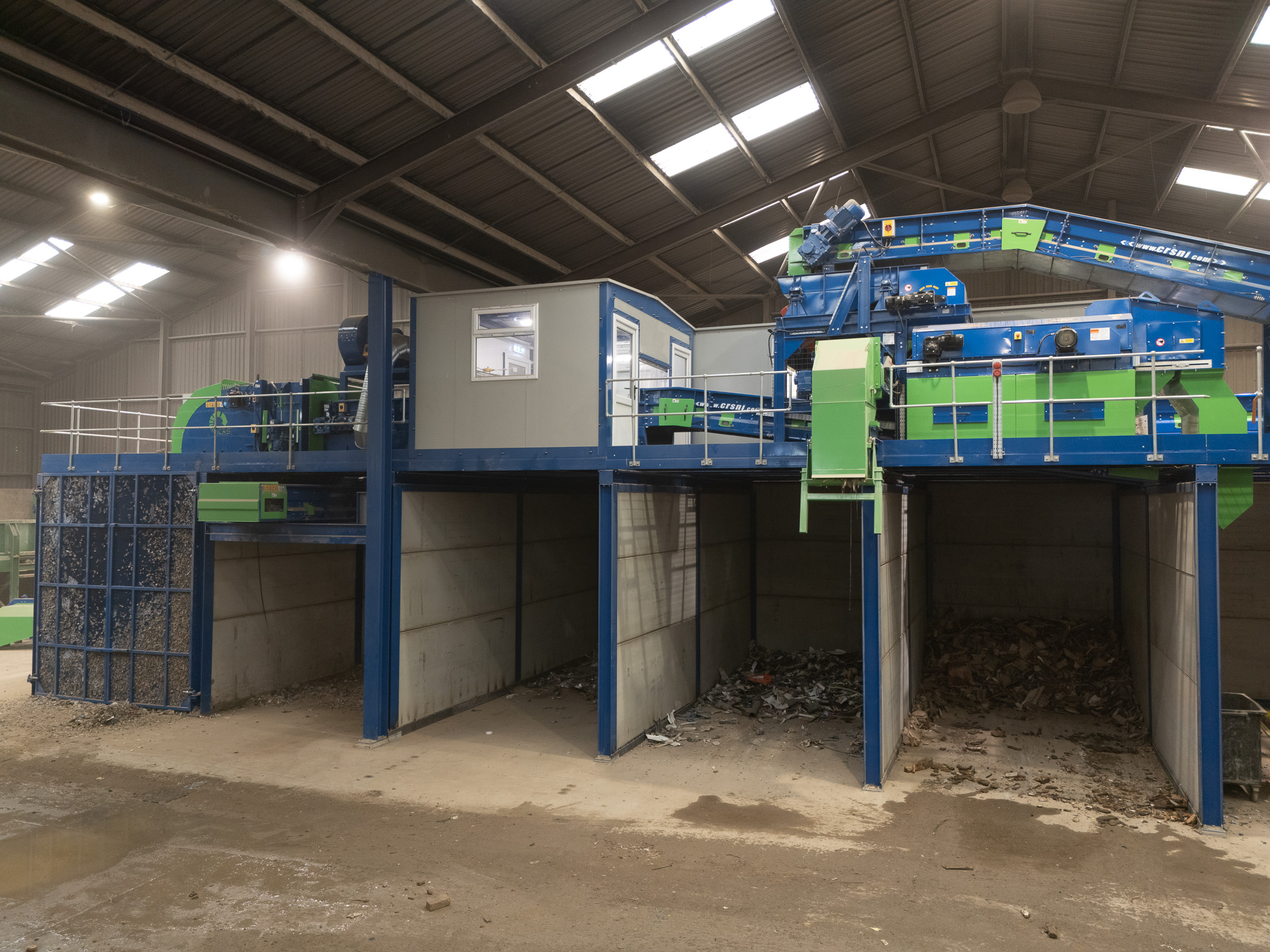
For operators managing complex streams, including Construction & Demolition (C&D), Commercial & Industrial (C&I), and Automotive Shredder Residue (ASR), the transition from standalone units to fully integrated, static plants is the only path to long-term profitability. At CRS NI, we have built an impressive portfolio by moving beyond equipment supply to become a premier Plant Builder, engineering complete recovery solutions from the ground up.
Outcomes-First: The Blueprint of a High-Performance Plant
A high-performance plant design must be reverse-engineered from the final material specification. Whether the goal is EN-standard aggregates from C&D waste or high-value non-ferrous recovery from ASR, the system logic is dictated by the desired output.
Rather than adapting “off-the-shelf” machinery, we work closely with customers through an iterative design process. This ensures every conveyor angle, transfer point, and separation stage is optimised for that specific material’s flow, ensuring maximum throughput without compromising purity.
Precision Screening: The Right Tool for the Stream
A hallmark of a CRS-engineered plant is the intelligent application of screening technology. We understand that different waste streams require different mechanical logic to ensure downstream automation performs at its peak:
- Heavy-Duty Trommels: Our robust trommels remain a vital component for high-volume sizing and primary separation, providing the durability needed for aggressive C&D and C&I feedstocks.
- High-Performance Flip-Flow Screens: For more challenging, moisture-heavy, or “sticky” fines that would typically blind a standard screen, we integrate Flip-Flow technology.
By utilising high-frequency vibration to keep the screen media clear, Flip-Flow decks ensure a consistent, clean fraction is delivered to automated components. In a fully integrated CRS system, this precision at the primary stage is what allows high-tech sensors and optical sorters to operate at their maximum potential.
The Power of Static Plant Integration
While mobile equipment offers site-level flexibility, Static (Fixed) Plants are the foundation of industrial-scale recovery. Designing a stationary system allows for:
- Technological Density: Seamlessly integrating AI-powered optical sorters, Eddy Current separators, and Robotic picking units into a single, cohesive line.
- Operational Longevity: Heavy-duty static builds are engineered for 24/7 operation, offering a significantly lower “cost-per-tonne” over the life of the plant compared to multiple mobile units.
- Scalable Automation: Static layouts provide the structural stability required for the latest NIR (Near-Infrared) technologies, which are essential for processing high-complexity streams like ASR and WEEE.
Engineering for Complexity: ASR and C&I
As waste streams become more complex, the “system” must become smarter. Automotive Shredder Residue (ASR) represents one of the most technically demanding challenges for any plant builder. It requires a sophisticated multi-stage approach, combining mechanical separation with sensor-based “polishing” to unlock the value hidden in mixed plastics and metals.
By applying the same rigorous system-level thinking to C&I and C&D streams, CRS NI ensures that operators can adapt to changing market demands and tighter regulatory purity standards without needing to overhaul their entire facility.
A Partnership from Concept to Commissioning
As a leading brand for waste recycling equipment, the CRS NI journey with a customer only truly begins at commissioning. Our commitment to high performance is backed by a robust support structure:
- Strict Quality Control: Every component undergoes three distinct quality checks during manufacturing to maintain our excellent standards.
- Strategic Aftercare: Minimising downtime is critical. We provide off-the-shelf spare parts and direct access to our engineering team to ensure the plant continues to perform as designed.
- Future-Proofing: Our modular approach to static plant design allows for future upgrades as AI and sensor technologies continue to evolve.
Why System-Level Thinking Delivers Results
The most successful recycling facilities today share one defining characteristic: they were designed as complete systems, not assembled from individual machines.
By combining:
- Automation-led processes
- Intelligent system integration
- High-capacity static plant design
- Advanced material recovery technologies
CRS NI delivers waste processing plants that maximise recovery, minimise downtime, and consistently outperform traditional setups.
Start Your Next Waste Processing Plant Project with CRS NI
If you are planning a new facility or upgrading an existing operation across C&D, C&I, or ASR, the design of your system will determine your long-term performance.
CRS NI specialises in automated MRF systems and complete waste processing plant design, delivering fully integrated solutions tailored to your material, throughput, and output requirements.
Speak to a CRS NI Project Engineer today and start building a system designed not just to operate — but to perform.
Recent Posts
Trommel Screens: Reliable Separation for Demanding Applications
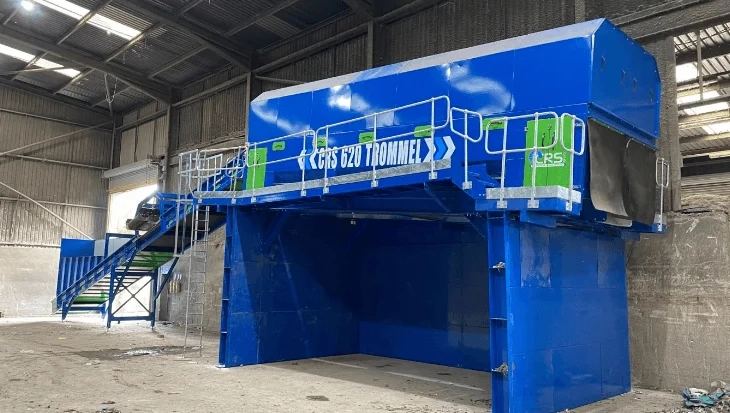
In modern recycling and waste management operations, trommel screens play a vital role in material separation and processing efficiency. At CRS NI, our trommel systems are engineered for performance, durability, and versatility — designed to handle a wide range of materials, including construction and demolition waste, commercial and industrial waste, mixed dry recyclables, WEEE, gypsum, compost, and auto shredder residue (ASR). In this article, we explore what a trommel is, how it works, where it’s used, and why operators benefit from our heavy-duty trommel screens.
The Role of AI and Robotics in the Future of Waste Management
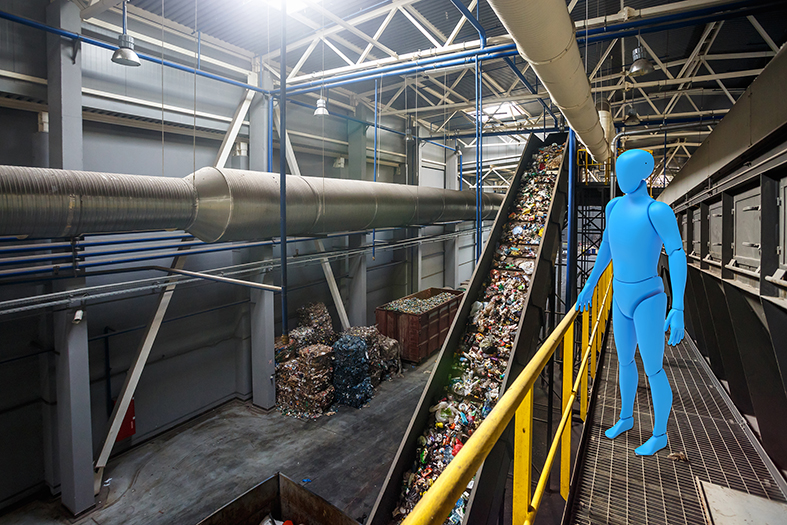
The waste management industry is undergoing a technological revolution. With growing demand for efficient, sustainable recycling, AI-powered systems and robotics are transforming how facilities sort, process, and recover materials. At CRS NI, we are leading the way with integrated automated solutions that improve throughput, reduce contamination, and increase operational efficiency.