Advanced Material Extraction from ASR: How Automated Plants are Redefining Scrap Metal Profitability
In the modern scrap and recycling industry, Automotive Shredder Residue (ASR) has traditionally been viewed as a high-cost disposal liability. ...
In the modern scrap and recycling industry, Automotive Shredder Residue (ASR) has traditionally been viewed as a high-cost disposal liability. Comprising a complex, heterogeneous mix of plastics, rubber, glass, and residual metals, it is one of the most technically demanding waste streams to process. However, as landfill levies rise and the global demand for high-purity secondary raw materials intensifies, the narrative has shifted.
The challenge is no longer how to dispose of ASR, but how to engineer a system that extracts its inherent value. At CRS NI, we specialise in the design and manufacture of fully integrated, static ASR processing plants that utilise advanced sensor-based sorting to transform “fluff” into high-margin revenue streams.
Beyond Mechanical Separation: The ASR Logic
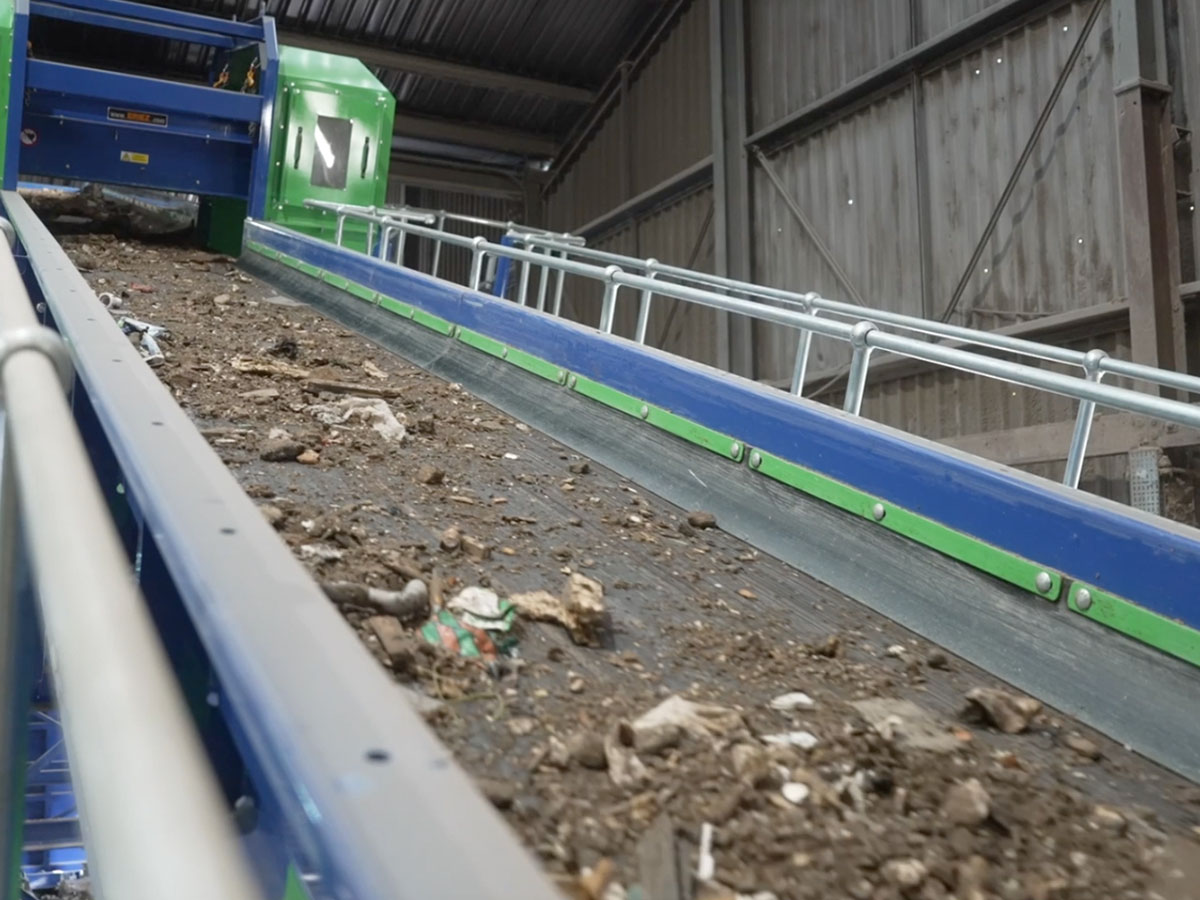
Traditional mechanical separation often fails to capture the full value of ASR. The material is notoriously difficult to handle—it is often damp, abrasive, and contains high-value non-ferrous metals (such as copper, aluminium, and stainless steel) that are easily lost in a standard plant setup.
To achieve industrial-grade recovery, an ASR plant must be engineered as a multi-stage extraction system. This requires a sophisticated sequence of density separation, air classification, and sensor-based “polishing” to ensure that every gram of value is captured before the residual fraction leaves the site.
The Digital Spine: AI and Sensor Fusion
In a CRS-engineered ASR plant, the differentiator is the integration of a “Digital Spine” of automation. Manual picking is inefficient and hazardous for the particle sizes found in ASR; instead, our static builds incorporate:
- Near-Infrared (NIR) & Optical Sorters: Precision-tuned to identify and eject specific polymer grades and heavy plastics from the mix.
- Eddy Current & Induction Separators: Calibrated to recover the finest non-ferrous, stainless steel and copper wire particles that traditional scrap plants bypass.
- AI-Powered Recognition: Utilising neural networks to differentiate between materials that may appear identical but carry vastly different market values.
By automating these processes within a bespoke fixed-plant infrastructure, operators achieve the consistent purity levels required to meet the stringent specifications of international off-takes.
The Static Advantage: Infrastructure Built for Performance
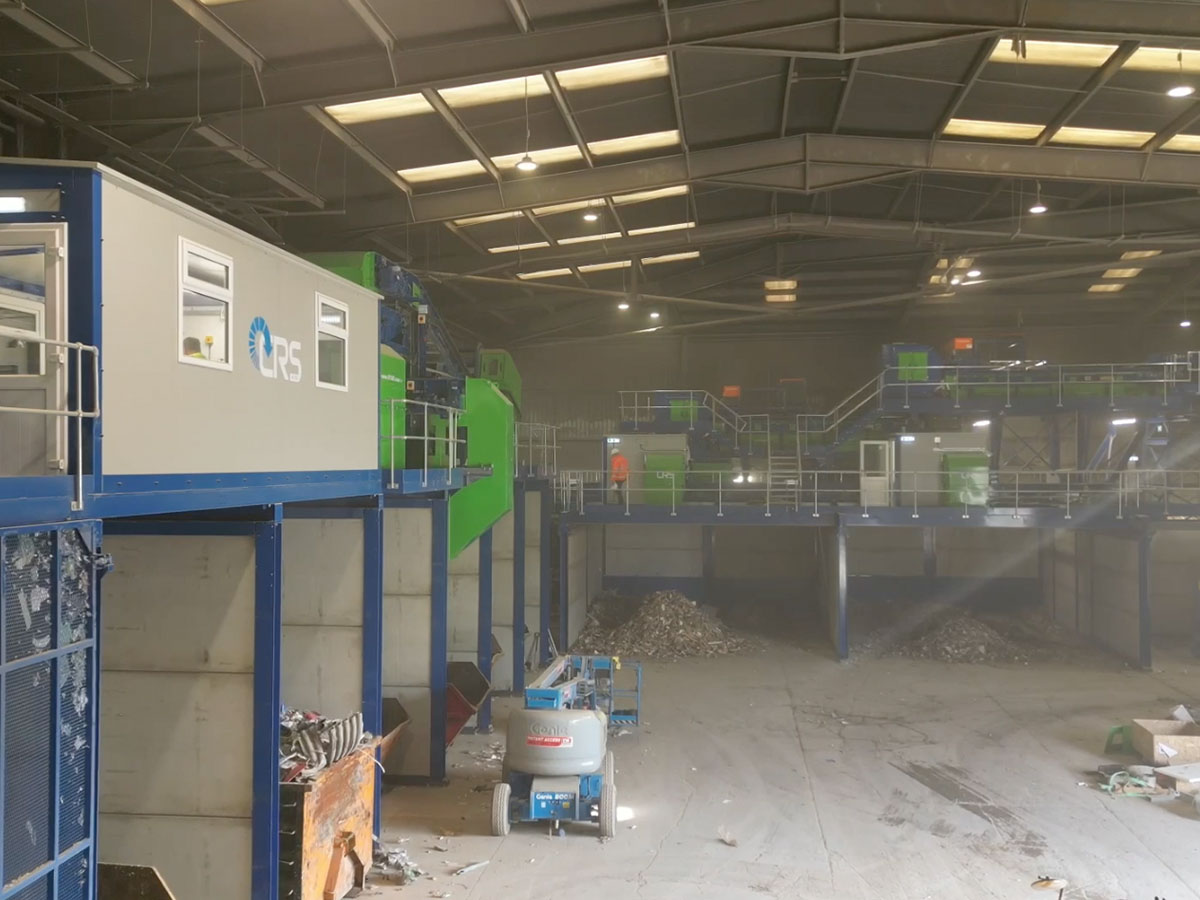
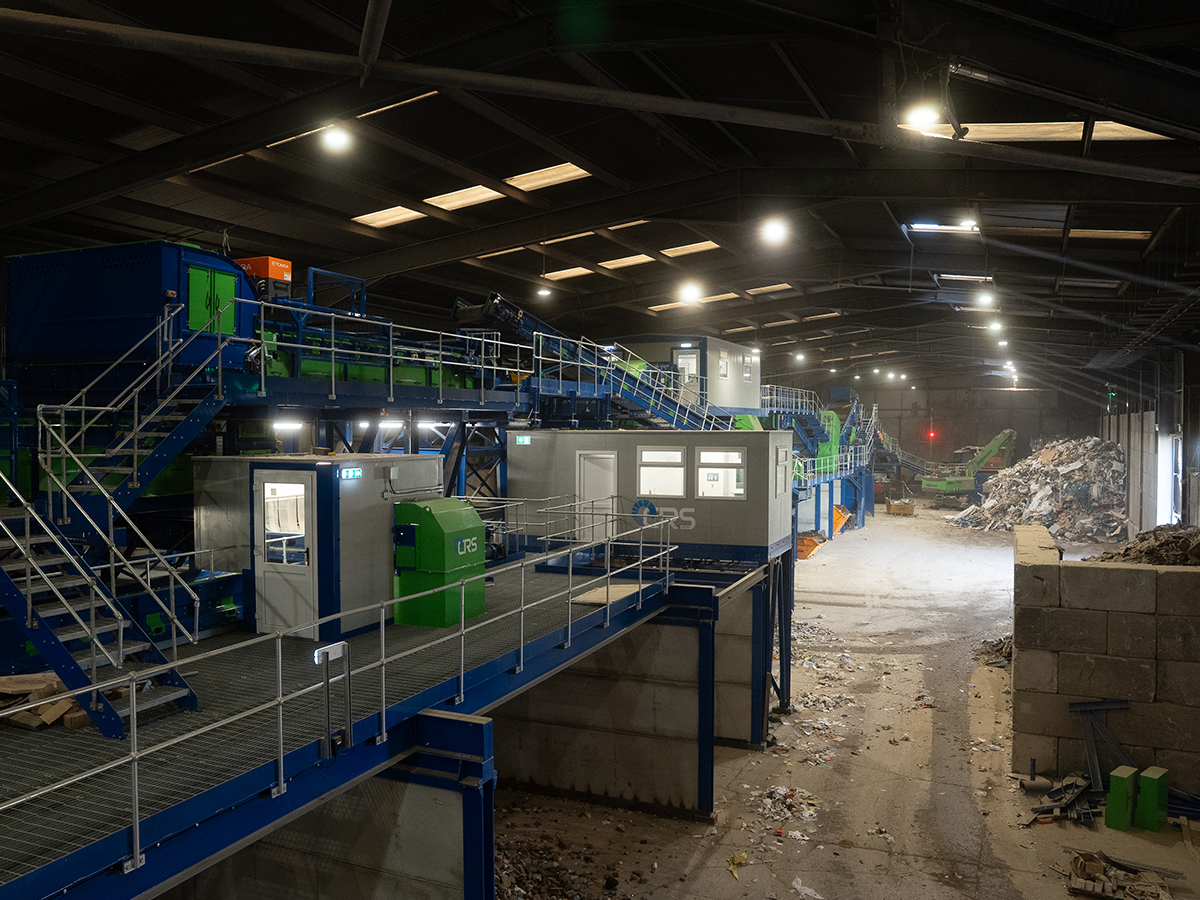
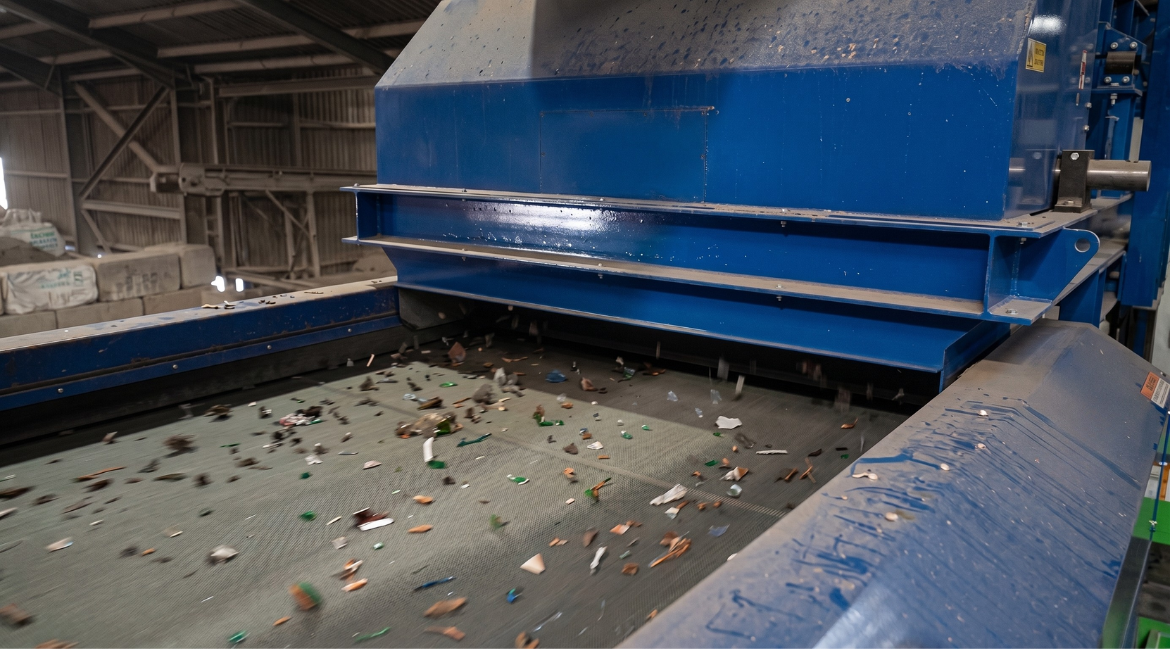
In the ASR sector, throughput is meaningless without purity. To house the sophisticated sensors and high-frequency screening decks such as Flip-Flow technology, required for ASR, a Static (Fixed) Plant is essential.
Stationary systems provide the vibration-controlled, stable environment necessary for AI and optical sensors to function at peak accuracy. Furthermore, our static builds allow for a larger operational footprint, enabling more separation stages to be integrated into a single, continuous line. This “multi-pass” logic is what separates a basic scrap yard from a high-performance recovery facility.
Sustainable Profitability and Future-Proofing
As environmental regulations tighten and the “circular economy” moves from concept to compliance, the ability to process ASR in-house is a significant competitive advantage. CRS NI works closely with clients through an iterative design process to build modular systems that can scale as technology and market demands evolve.
From the initial material audit to the final commissioning of a large-scale MRF, our focus remains on lowering the operational cost-per-tonne while maximising the grade of the final output. With our 3-stage quality check protocol and dedicated engineering aftercare, we ensure that your ASR plant is an asset designed for 24/7 reliability.
Conclusion: Engineering the Future of Scrap
ASR should no longer be viewed as a disposal headache. With the right engineering partner and a system-level approach to automation, it represents one of the most profitable frontiers in modern recycling. At CRS NI, we don’t just build machines; we build the infrastructure that turns complex waste into commercial wealth.
Ready to Maximise Your ASR Recovery?
Whether you are planning a new facility or upgrading an existing scrap metal operation, work with a partner who understands the whole system. Contact the CRS NI engineering team today to discuss your material specifications and request a consultation on a customised, high-performance ASR plant build.