
Sortera Edmonton: Two New Waste Processing Plants for Higher Recovery
How do you modernise an ageing waste processing plant while increasing recovery, throughput and improving quality? When ageing equipment, increasing waste volumes and advances in sorting technology began placing greater pressure on Sortera's Edmonton operation, the company recognised that its existing plant needed more than individual equipment upgrades. CRS NI worked with Sortera to design and build two new, larger waste processing plants around the site's operational requirements, creating greater opportunities to improve throughput, recovery and material quality.
The Challenge Facing Sortera
Waste processing plants operate in an extremely demanding environment. Heavy materials and continuous workloads place significant pressure on machinery, meaning reliability can begin to decline as a plant gets older.
At Sortera’s Edmonton facility, several challenges were affecting the performance of the existing plant. These included:
- The age and condition of the existing equipment
- Increasing volumes of waste entering the facility
- Declining reliability following years of heavy use
- Limitations in the fractions that could be separated
- Advancements in available sorting technology
- The cost of disposing of unrecovered material
The plant’s ability to consistently separate the required fractions had become a growing concern, both in terms of the volumes being recovered and the cost of disposal. Sortera therefore decided to modernise its production processes and invest in newer separation technologies.
Planning the Right Processing Solution
CRS NI worked with Sortera over an extended planning and design period to define the objectives of the project.
The two teams held multiple meetings and exchanged plant drawings over several months. Together, they considered which fractions Sortera wanted to recover, where those fractions should be separated, and which technologies would be best suited to each stage of the process. Several plant configurations were evaluated before the final design was agreed.
This detailed planning formed the basis for two new processing plants designed and built by CRS NI around Sortera’s specific recovery and operational requirements. As the Sortera team explained during the case study interview, the more time invested in planning, the easier and more seamless the execution becomes.
Building Two New Processing Plants Around Recovery
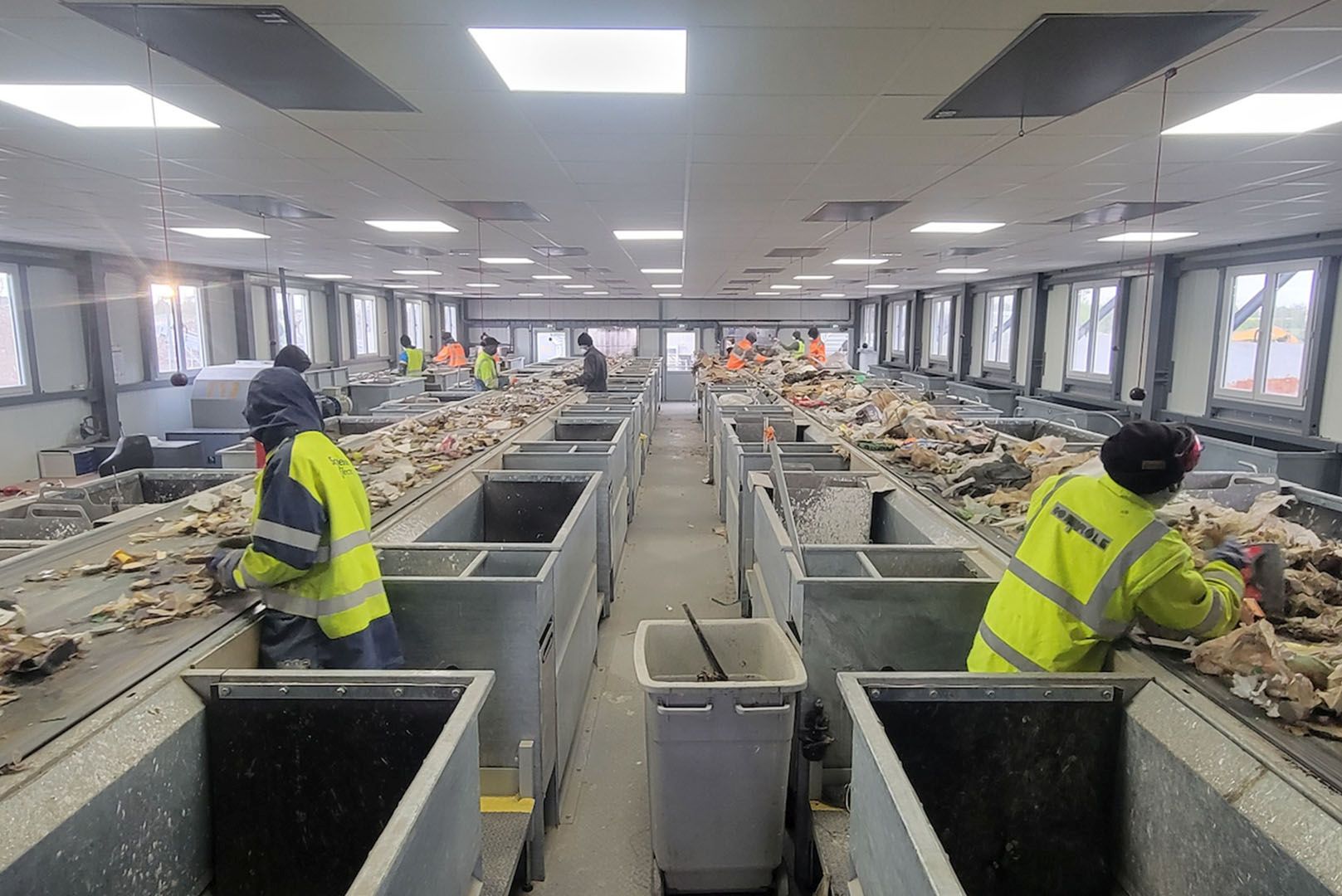
The two new processing plants integrate air separators, magnets, eddy current separators and optical sorters, creating more opportunities to recover valuable material fractions throughout the process.
Each technology was considered as part of the complete material flow. Magnets were included to support the recovery of ferrous metals, while eddy current separators allowed non-ferrous materials to be extracted. The optical sorters introduced an additional level of automated material identification and separation for rubble and wood.
Rather than focusing on individual machines, CRS NI designed the two plants around Sortera’s wider processing objectives and the specific points at which each fraction needed to be recovered.
Increasing Recovery and Reducing RDF
One of Sortera’s main objectives was to improve the speed of processing while increasing the number of materials that could be separated. The larger plants give Sortera more opportunities to recover fractions that may previously have continued through the process and ended up within the residual output.
According to Sortera, the upgraded system has delivered several important improvements:
- Faster processing
- Cleaner recovered materials
- Greater separation capability
- Higher throughput
- Lower RDF volumes at the end of the process
- Improved opportunities for stronger market rebates
Cleaner fractions can generate stronger commercial returns, while reducing RDF helps lower the amount of residual material requiring disposal or further treatment. The project therefore addressed both Sortera’s operational requirements and its wider commercial objectives.
CRS Involvement From Start to Finish
CRS NI supported Sortera throughout the complete project, beginning with the initial conversations about building two new plants and continuing through design, manufacturing, installation, and completion.
Dedicated project managers were assigned by both companies. Communication remained consistent throughout the project, with the teams speaking every day during implementation.
“CRS NI was fully involved from the first planning meeting through to the final day on site. The team was there from start to finish, communicating with us every single day during implementation to ensure a seamless execution.”
— The Sortera Project Team
This close collaboration allowed decisions to be made efficiently and ensured that the completed plants reflected the objectives agreed during the planning stage.
Two New Plants Built Around Sortera’s Requirements
The Edmonton project demonstrates the value of approaching plant development as a complete system rather than a collection of individual equipment upgrades. CRS NI designed and built two new processing plants around Sortera’s specific requirements, integrating advanced separation technologies into a complete material recovery solution.
The result is a system that provides greater material recovery, cleaner fractions, reduced RDF volumes and improved opportunities to achieve stronger rebates in the market.
For operators facing similar challenges with ageing infrastructure, growing waste volumes, or limited material recovery, CRS can design and manufacture a static waste processing plant around the specific requirements of the operation.
Contact CRS NI to discuss a new waste processing plant or the modernisation of an existing system.
Recent Posts

Automated Machinery vs. Manual Picking: What’s Right for Your Recycling Operation?
Every recycling plant faces the same pressure: improve recovery rates, reduce costs, and keep operators safe. But when it comes to sorting materials, is it better to invest in automated machinery — or stick with manual picking? Here’s a closer look at the key differences, and how to choose the right solution for your site.
5 Signs Your Waste Sorting System Is Holding You Back
If you're running a waste processing plant, your system is your business. But even solid setups can become bottlenecks over time. Whether you’re working with C&D, C&I, MDR, gypsum, or WEEE, here are five clear signs it’s time to consider an upgrade — and how CRS NI can help you get more out of every tonne.
Myers Group Enhances Waste Processing Efficiency with CRS NI
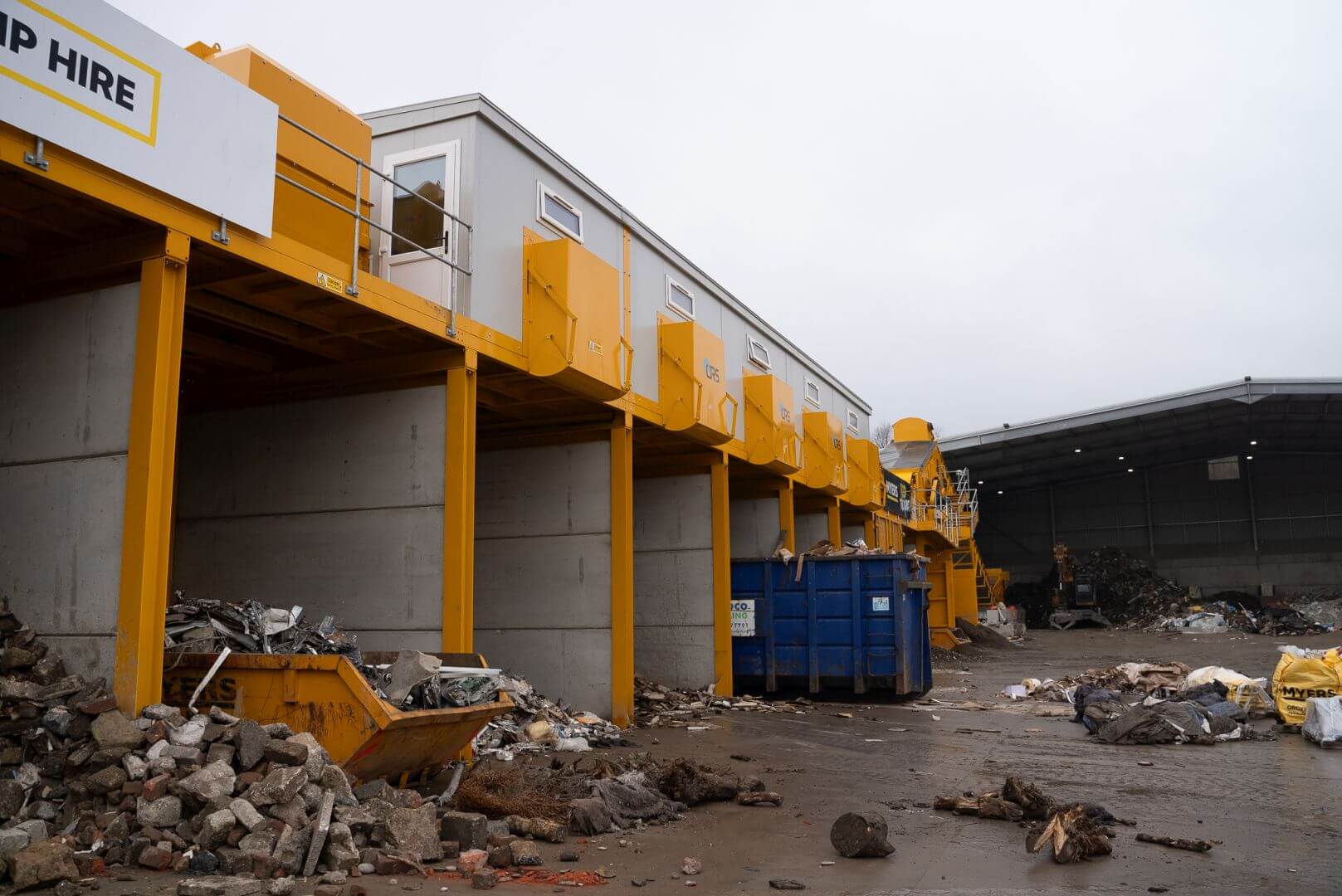
Myers Group sought to improve their waste processing capabilities with a customised waste sorting line that would not only increase efficiency but also enhance safety for their team. Turning to CRS NI Ltd., they collaborated to develop a tailored solution that met their exact needs while allowing for future expansion.
The Importance of Custom Waste Management Solutions
Every waste facility has a unique story to tell. The challenges you face, the materials you process, and the goals you aim to achieve are all distinct—and your waste management solution should be too. Yet, many facilities settle for standard equipment, missing out on the efficiencies and opportunities that only a tailored approach can deliver.