Automated Machinery vs. Manual Picking: What’s Right for Your Recycling Operation?
Every recycling plant faces the same pressure: improve recovery rates, reduce costs, and keep operators safe. But when it comes to sorting materials, is it better to invest in automated machinery — or stick with manual picking? Here’s a closer look at the key differences, and how to choose the right solution for your site.
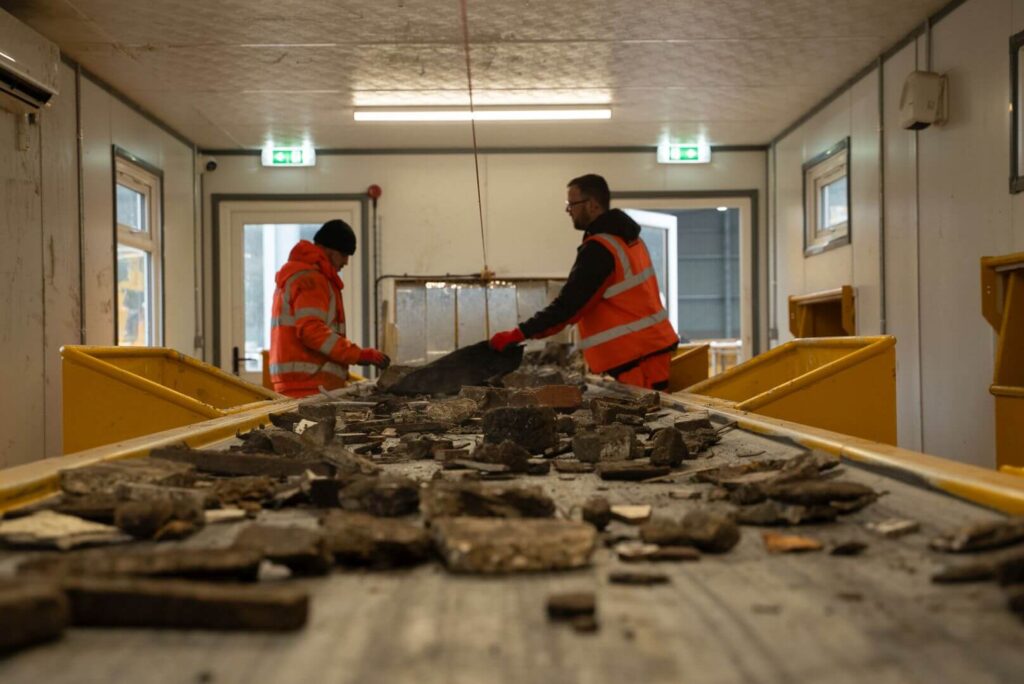
Automated Machinery: Efficient, Reliable & Consistent
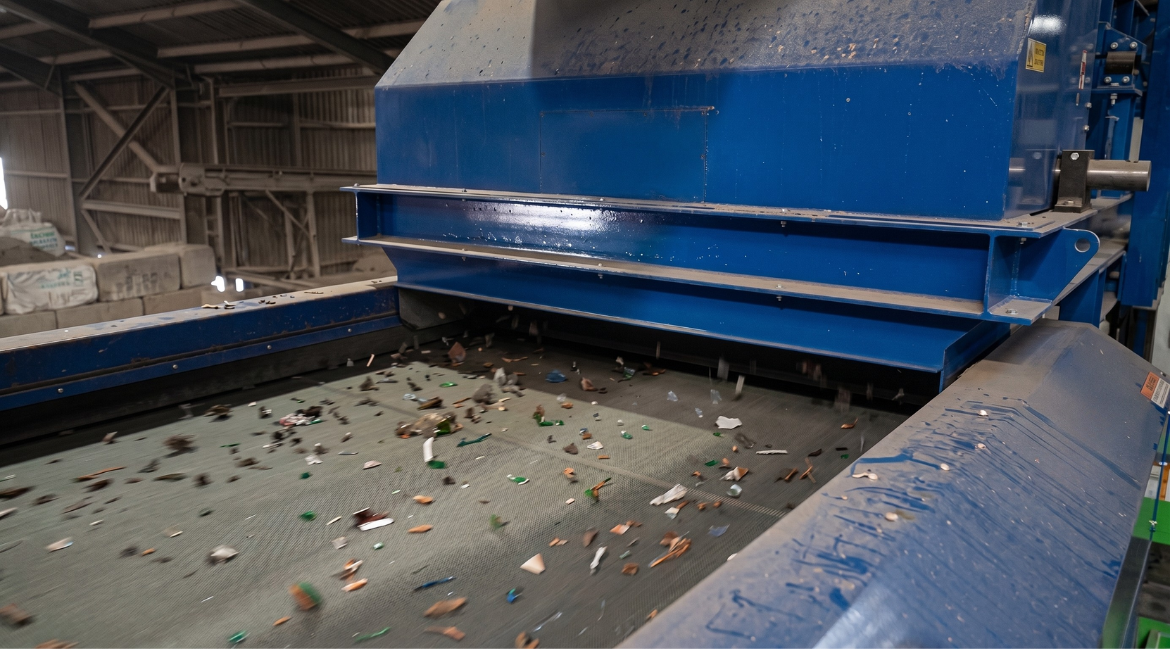
Automated machinery designed to replace people in the picking station includes eddy current separators, optical sorters, and AI-powered robots. These systems are widely used in modern waste processing plants for their ability to work continuously with high precision.
Key Benefits:
- Efficient: Increase throughput with minimal downtime
- Reliable: Run consistently with less maintenance
- Consistent: Deliver the same picking quality shift after shift
- Can operate all day and night without fatigue
- Programmable: Easily adjust to different materials or waste streams
- Big investment, but fast ROI due to performance and labour savings
At CRS NI, we can incorporate these technologies into tailored systems to meet your specific recovery and plant goals.
Manual Picking: Control, Accuracy & Flexibility
While slower, manual picking allows for precision — especially for complex materials or when identifying contaminants that machines might miss. It also offers more flexibility for small-scale operations or facilities dealing with varied waste streams.
Key Benefits:
- Accurate identification of tricky or unusual materials
- More affordable upfront investment
- Ideal for low-volume or niche applications
- Easy to reconfigure or retrain staff as needs change
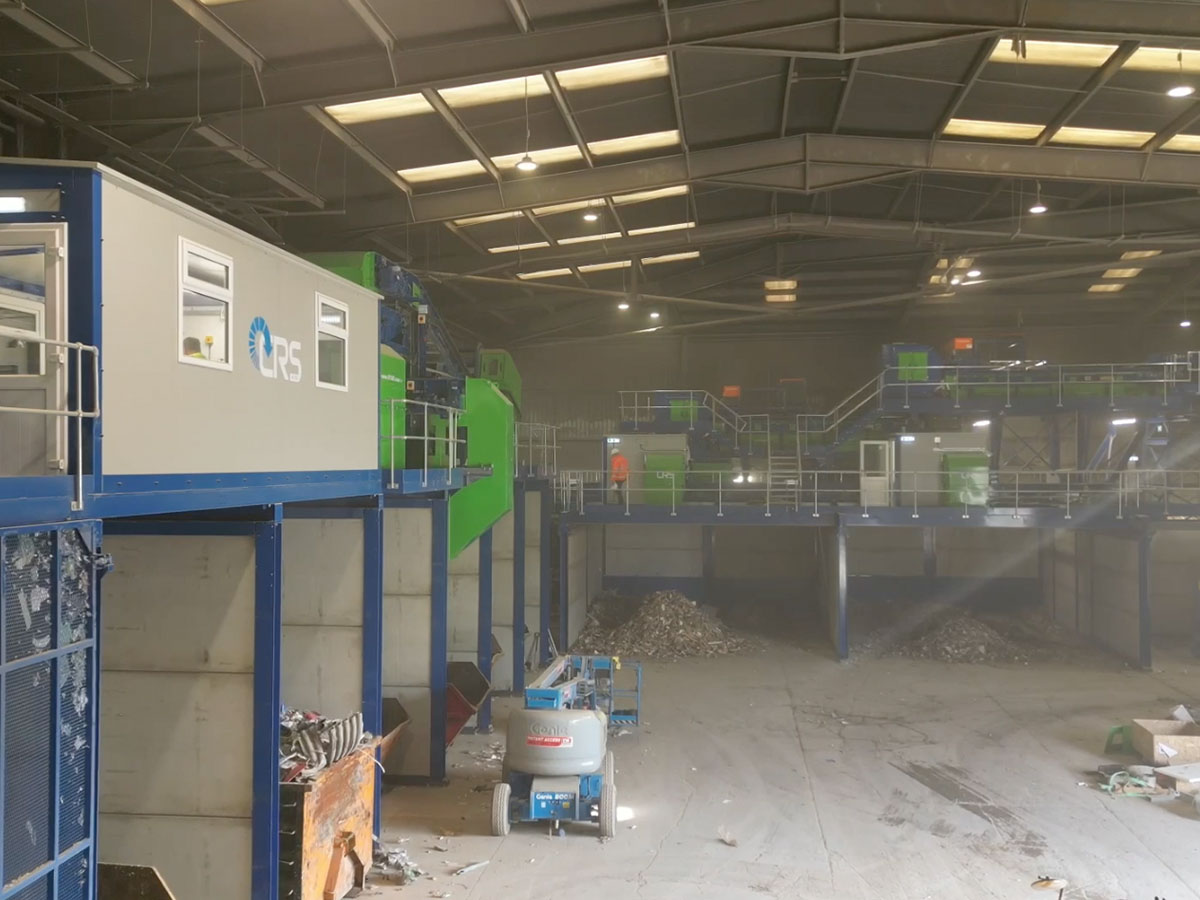
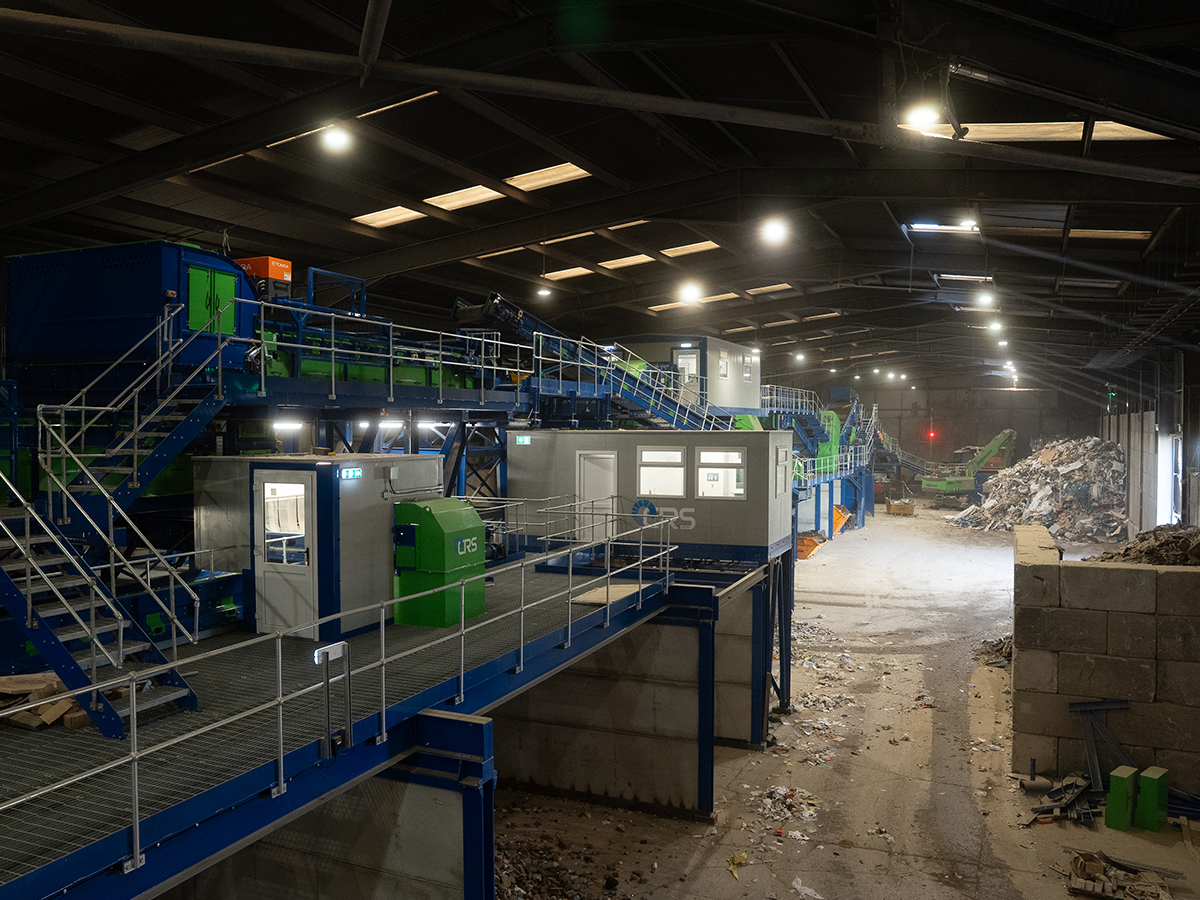
CRS NI builds ergonomic, enclosed picking stations designed for safety, comfort, and operator efficiency.
Make the Right Choice for Your Plant
Every facility has different goals, layouts, and material streams — so it’s important to choose a solution that works for your operation. While automated systems offer clear advantages in speed, safety, and scalability, manual picking may still suit smaller plants or specific sorting needs.
The key is to weigh up:
- Your desired throughput
- Labour availability and safety requirements
- Types of materials handled
- Long-term operational costs and goals
At CRS NI, we help clients assess their current systems and recommend sorting solutions that align with their performance and profitability targets.
If you’re unsure what setup is right for your plant, talk to our team — we’re here to help you make a confident, informed decision.