
Guide to Choosing the Right Recycling Screen for Your Waste Stream
Choosing the right recycling screen is a critical decision for any waste processing operation. The right equipment improves throughput, protects ...
Choosing the right recycling screen is a critical decision for any waste processing operation. The right equipment improves throughput, protects downstream machinery, and ensures higher recovery rates — while the wrong screen can lead to blockages, inefficiency, and unnecessary wear.
At CRS NI, we design and manufacture heavy-duty screening equipment for C&D waste, commercial and industrial (C&I) streams,mixed dry recyclables (MDR), gypsum, automotive shredder residue (ASR) and Waste Electrical & Electronic Equipment (WEE). Understanding which screen fits your material type, process position, and operational priorities is key to building a high-performing recycling system.
Why Screen Selection Matters
Screens do more than separate materials by size — they are central to plant efficiency and reliability. Properly selected screens:
- Minimise downtime and maintenance costs
- Integrate seamlessly with conveyors, feeders, and other recycling equipment
- Ensure downstream machinery operates efficiently through correct sizing
- Avoid unnecessary space usage and inflated capital costs caused by oversizing
- Use the right screen aperture size and shape to reduce blockages and maintain consistent material flow
- Define achievable maximum throughput based on material type and application
Selecting the right screen isn’t just about equipment specs — it’s about matching technology to your waste stream and system design.
Combination (Combi) Screens: Flexible Separation for Mixed Materials
Best for: Mixed materials requiring coarse and fine separation
Why choose them: Combination screens integrate scalping and flip-flow principles into a single unit, providing multi-stage separation without installing multiple machines. They’re ideal for operations where material composition changes frequently.
Typical use cases:
- Construction and demolition (C&D) waste
- Commercial and industrial (C&I) waste streams
- Gypsum
- Wood
- Automotive shredder residue (ASR)
- Municipal solid waste (MSW)
- Compost/organics
Where they perform best:
- Operations requiring a smaller footprint with multi-stage separation
- Plants needing adaptable screening without frequent changeovers
Key advantage: One machine handles multiple separation stages, improving throughput while simplifying plant layout.
Explore our Combination Screens to see how coarse and fine separation can be handled in a single, flexible screening solution.
Scalping Screens: Primary Separation for Heavy Materials
Best for: Coarse, bulky, or high-volume materials
Why choose them: Scalping screens are designed for primary separation, removing oversized material early and preparing waste for downstream equipment. They are robust and reliable, capable of handling abrasive or irregular waste.
Typical use cases:
- Construction and demolition (C&D) waste
- Commercial and industrial (C&I) waste streams
- Gypsum
- Wood
- Automotive shredder residue (ASR)
- Municipal solid waste (MSW)
- Mixed Dry Recyclables (MDR)
- Aggregates
Where they perform best:
- Front-end processing before shredders or secondary screens
- High-throughput applications requiring durability and uptime
Key advantage: Reliable separation of large material with minimal downtime, even in tough operating conditions.
Discover our Scalping Screens built for reliable primary separation of bulky, high-volume materials.
Flip-Flow Screens: Consistent Performance for Fine or Difficult Materials
Best for: Fine, wet, or sticky materials that blind traditional screens
Why choose them: Flip-flow screens use flexible mats that actively open and close, preventing blockages and ensuring consistent separation of difficult-to-handle waste.
Typical use cases:
- Construction and demolition (C&D) waste
- Commercial and industrial (C&I) waste streams
- Gypsum
- Wood
- Automotive shredder residue (ASR)
- Municipal solid waste (MSW)
- Waste Electrical & Electronic Equipment (WEE)
- Compost/organics
- Incinerator bottom ash (IBA)
Where they perform best:
- Plants where conventional screening struggles
- Operations requiring high fines recovery efficiency
Key advantage: Consistent separation performance, reducing downtime and protecting downstream equipment.
Explore our Flip Flow Screens engineered for wet, sticky, and fine materials that conventional screens struggle with.
How to Choose the Right Screen for Your Waste Stream
Selecting the ideal screen depends on three core factors:
- Material type: Size, moisture content, density, and contamination level
- Position in the process: Primary, secondary, or fine screening
- Operational priorities: Throughput, flexibility, or material quality
- Screen type & media: 3D, 4D, punch plate or bar decks, with aperture size and shape tailored to the material (including flip-flow and punch plate setups)
By matching the screen to your waste type and processing position, you ensure stable performance, higher recovery rates, and more efficient integration with picking stations, conveyors, feeders, and separation systems.
Screens in a Complete Recycling System
Screens are only one part of a modern recycling system. At CRS NI, our equipment is designed to work as part of a complete plant:
- Picking stations: Optimised material presentation for manual or automated sorting
- Conveyors and feeders: Even spacing and controlled flow for maximum efficiency
- Air separators and magnets and trommel screens: Improved recovery rates and cleaner fractions
Integrating screens correctly ensures every downstream process operates at peak performance, whether in C&D, C&I, gypsum, ASR, WEE or MDR operations.
Partner with CRS NI for the Right Screening Solution
Every recycling operation is different. CRS NI works with operators to design and implement the right screening technology for each waste stream, site and throughput requirement.
Whether you’re upgrading an existing plant or designing a mobile or static recycling system, our custom-built screens are engineered to deliver durable, efficient, and high-performing solutions.
Get in touch today to discuss how CRS NI can help you choose and implement the right recycling screen for your waste type and operational goals.
Recent Posts

Automated Machinery vs. Manual Picking: What’s Right for Your Recycling Operation?
Every recycling plant faces the same pressure: improve recovery rates, reduce costs, and keep operators safe. But when it comes to sorting materials, is it better to invest in automated machinery — or stick with manual picking? Here’s a closer look at the key differences, and how to choose the right solution for your site.
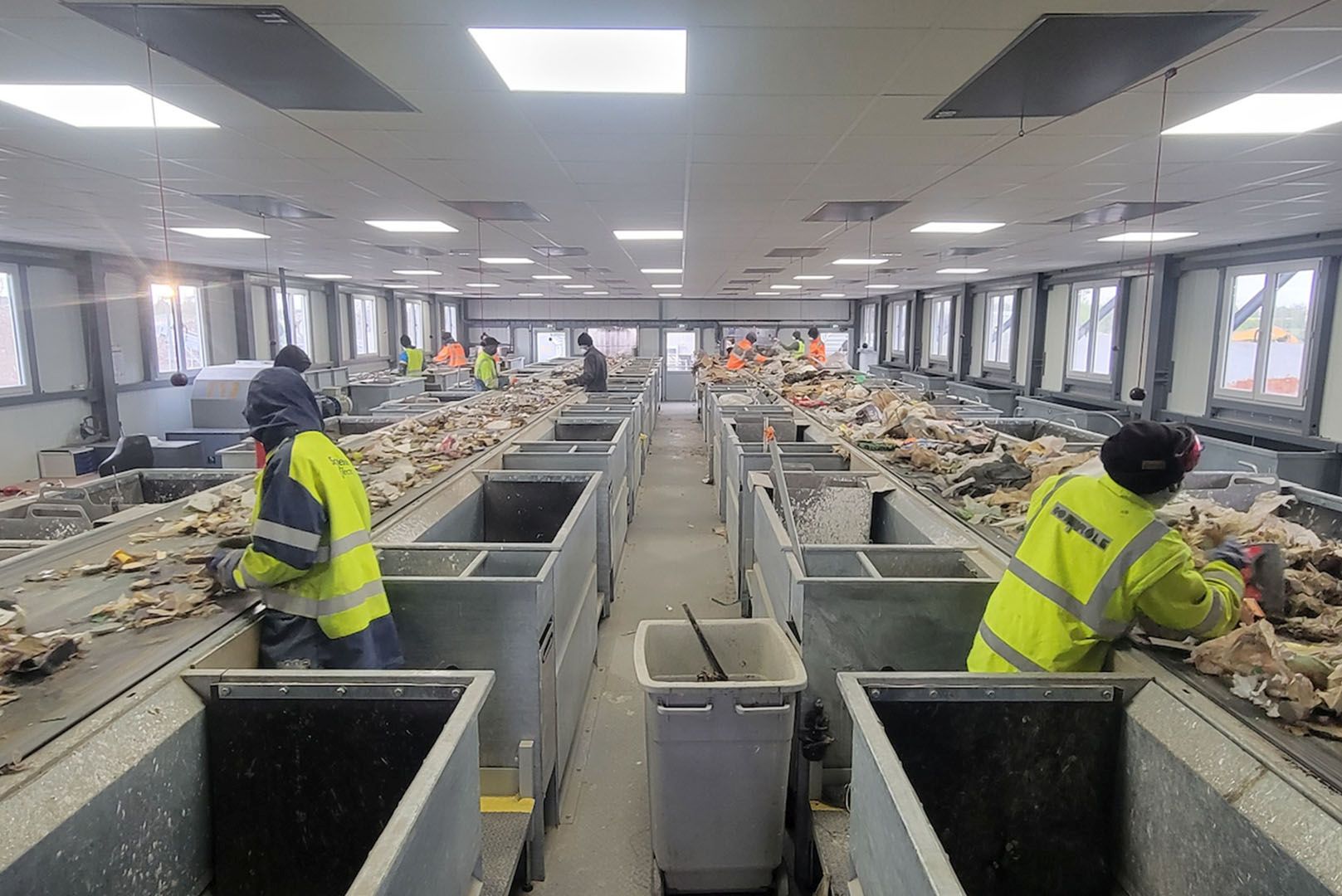
5 Signs Your Waste Sorting System Is Holding You Back
If you're running a waste processing plant, your system is your business. But even solid setups can become bottlenecks over time. Whether you’re working with C&D, C&I, MDR, gypsum, or WEEE, here are five clear signs it’s time to consider an upgrade — and how CRS NI can help you get more out of every tonne.
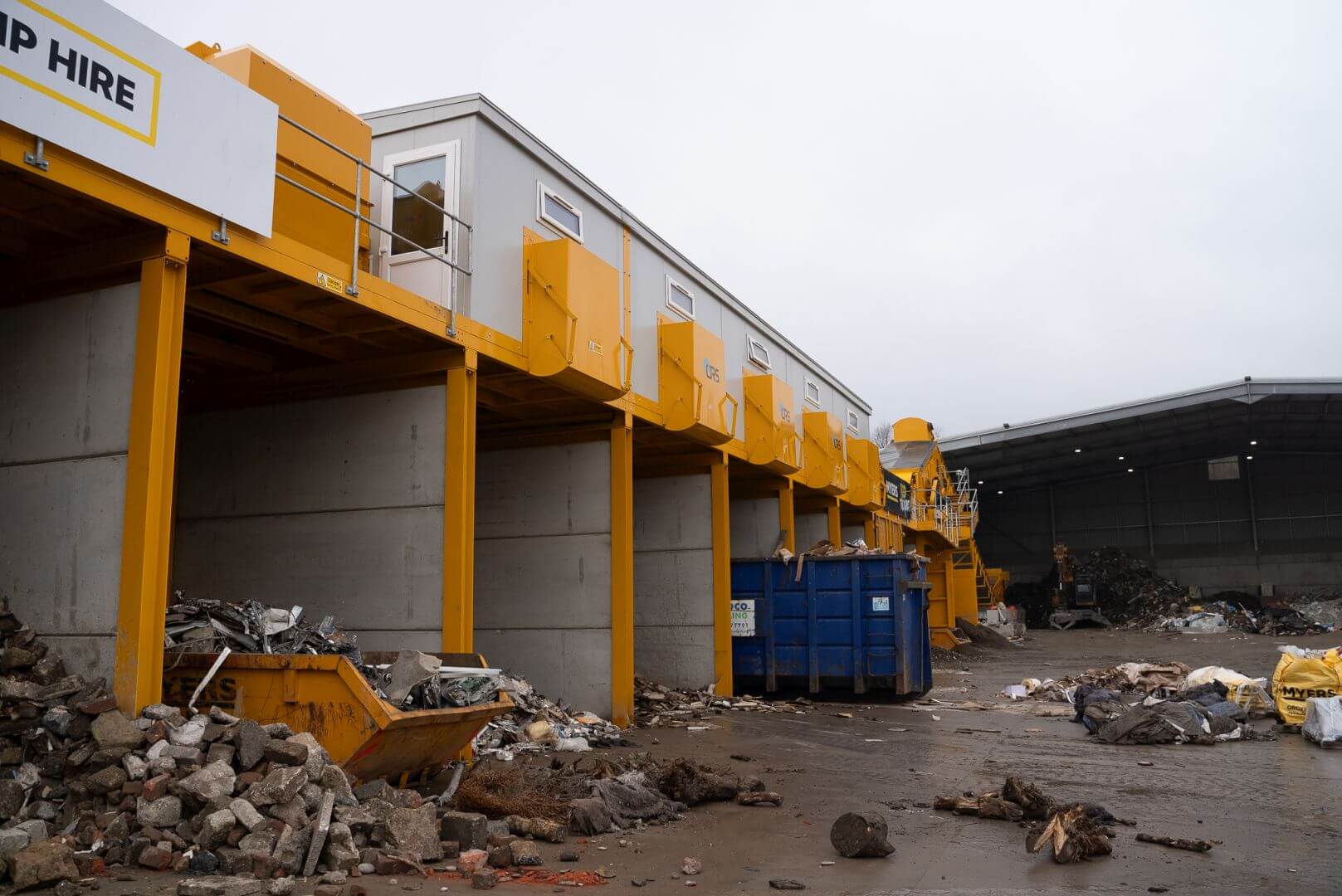
Myers Group Enhances Waste Processing Efficiency with CRS NI
Myers Group sought to improve their waste processing capabilities with a customised waste sorting line that would not only increase efficiency but also enhance safety for their team. Turning to CRS NI Ltd., they collaborated to develop a tailored solution that met their exact needs while allowing for future expansion.
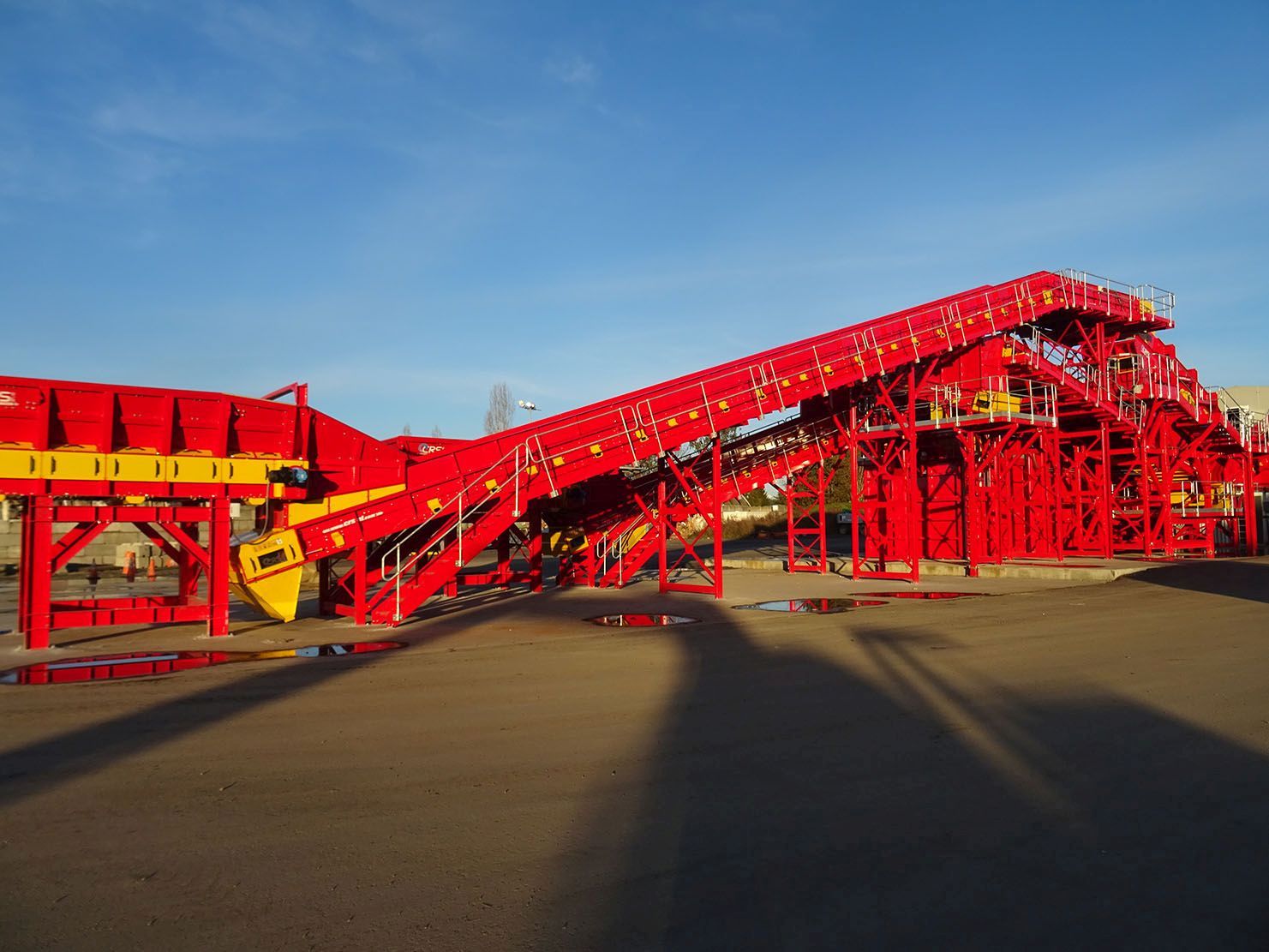
The Importance of Custom Waste Management Solutions
Every waste facility has a unique story to tell. The challenges you face, the materials you process, and the goals you aim to achieve are all distinct—and your waste management solution should be too. Yet, many facilities settle for standard equipment, missing out on the efficiencies and opportunities that only a tailored approach can deliver.