Why Better Recovery Starts Before the First Optical Sorter
The biggest improvements in recovery rarely come from adding another machine. More often, they come from understanding how materials move ...
The biggest improvements in recovery rarely come from adding another machine. More often, they come from understanding how materials move through a waste processing plant long before they reach automated sorting technology.
For operators looking to improve recovery, the first question should not always be which piece of equipment to replace or add. It should be whether the existing process is giving every stage of the plant the conditions it needs to perform effectively.
Every Operator Wants Better Recovery
When recovery rates begin to fall, the first instinct is often to look at the equipment.
Would a new optical sorter improve separation? Is it time to upgrade the screen? Would another stage of automation recover more valuable material?
These are reasonable questions, but they do not always address the real issue.
Recovery performance is rarely determined by a single machine. It is shaped by a series of engineering decisions made throughout the process, from how material enters the plant to how it is screened, presented and separated before it reaches automated sorting.
The highest-performing Material Recovery Facilities (MRFs) are designed as complete systems where every stage contributes to the next. Improving one part of the process can therefore have a significant effect further downstream.
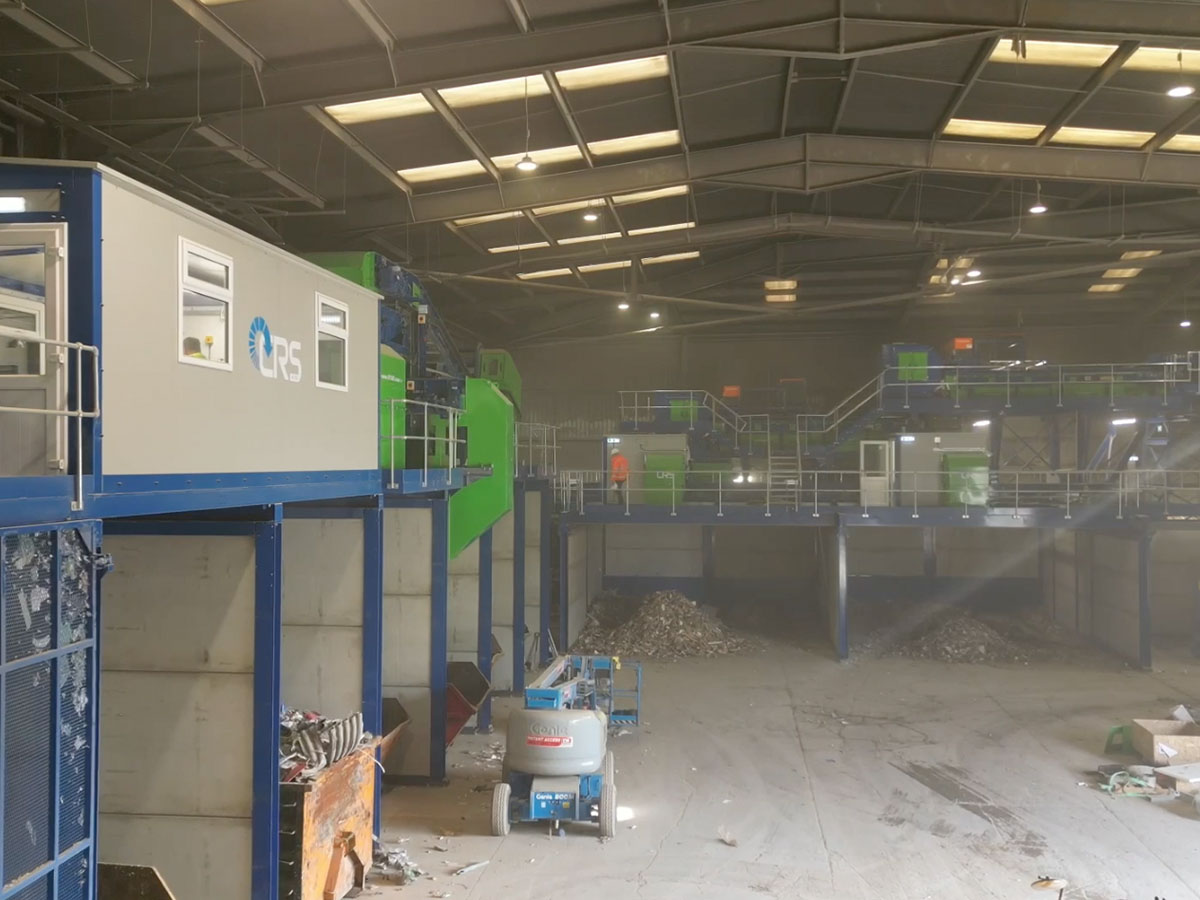
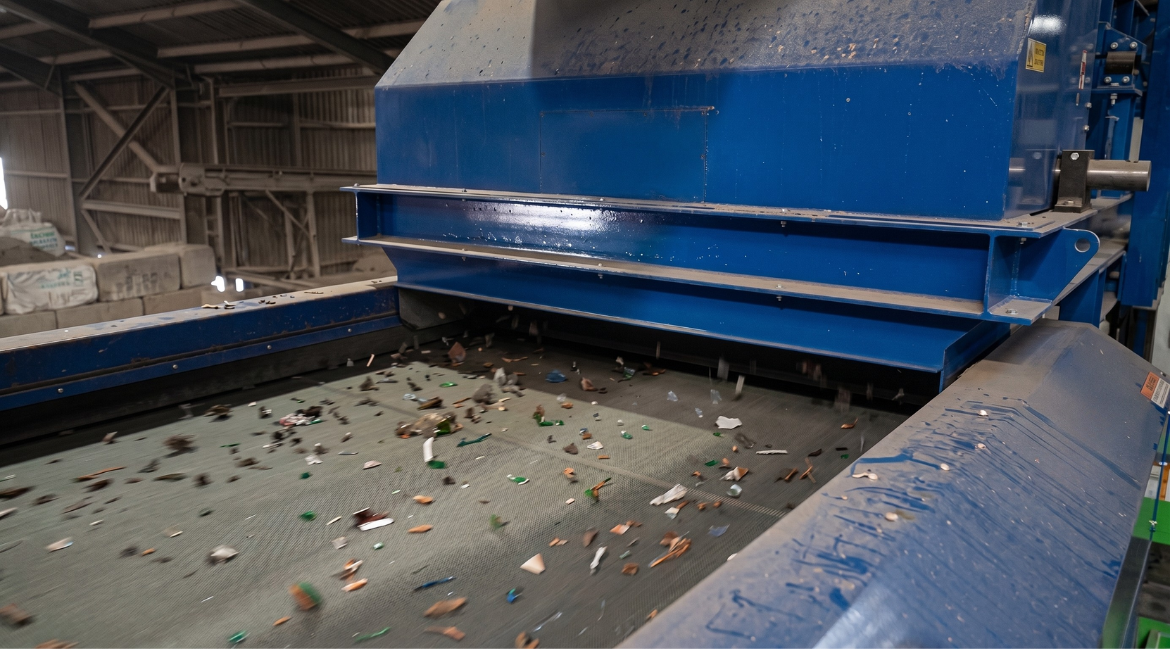
A recent CRS NI project demonstrates this clearly. A customer had a double-deck screen operating at capacity as demand increased. By upgrading the screen and increasing its capacity to cope with the higher demand, the plant was able to improve the flow of material through the process, with higher recovery rates seen downstream.
The improvement did not come from adding another final sorting stage. It came from addressing a limitation earlier in the process.
Most Recovery Problems Start Upstream
Optical sorters, AI-powered waste sorting and eddy current separators can deliver excellent results, but only when the material reaching them has been properly prepared.
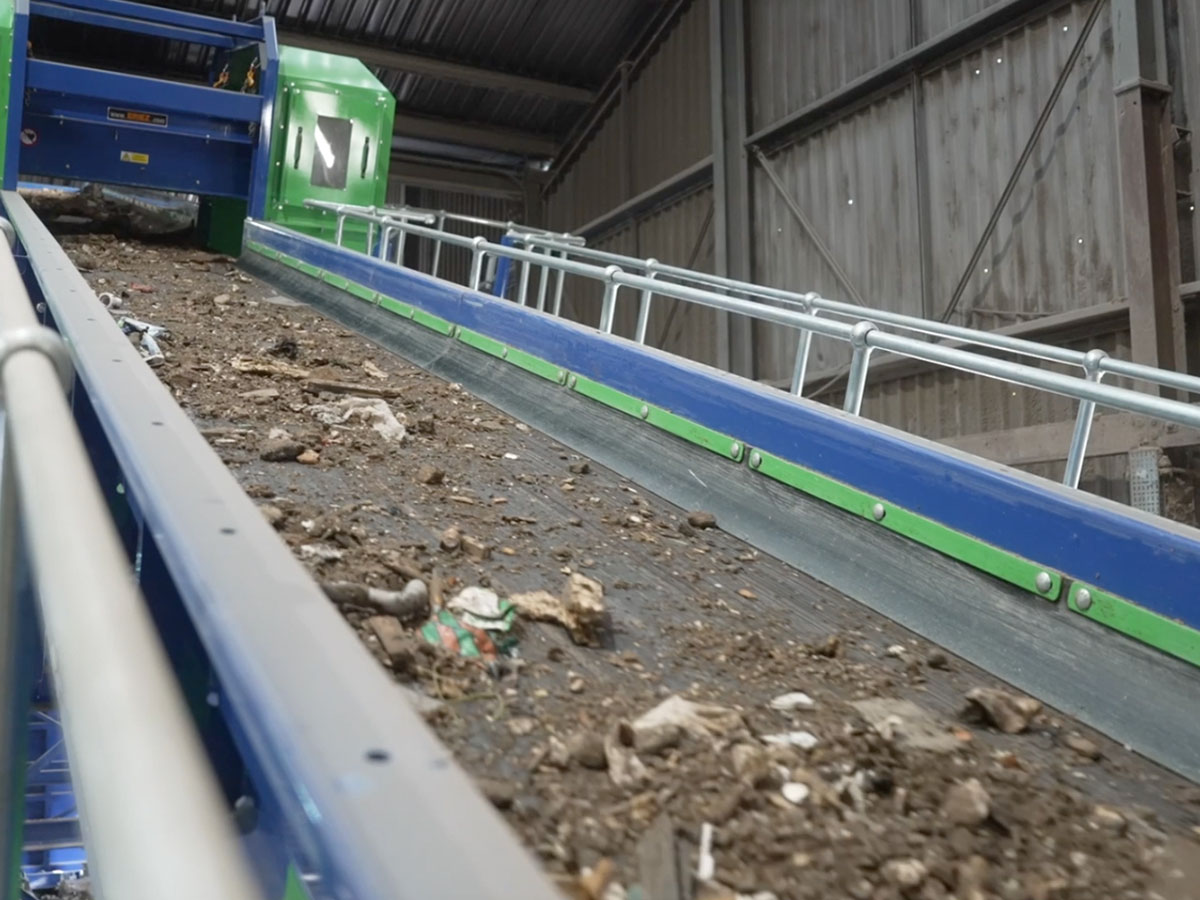
Uneven burden depth, inconsistent feed rates and ineffective screening can all reduce downstream performance. If the material is not being presented correctly, even advanced sorting technology cannot operate at its full potential.
This is why experienced plant builders look at the complete material flow rather than focusing on one machine in isolation.
A screen operating at capacity can create a bottleneck. An inconsistent feed can affect separation further down the line. Poorly sized material can make it harder for downstream equipment to achieve the required separation.
Sometimes, improving recovery means looking backwards through the process rather than forwards towards the next piece of equipment.
Why Material Presentation Matters
Material presentation is one of the most important considerations in plant design and one that can easily be overlooked.
Before material reaches an optical sorter or another automated separation system, it has already passed through a number of stages. Feeders regulate the flow. Conveyors transport and present the material. Screens separate it into different sizes and fractions. Air separation can remove lighter materials before further recovery takes place.
Each stage influences the conditions for the stage that follows.
When designing or reviewing a plant, CRS NI looks at questions such as whether the material is being split into the correct sizes and whether the belts and feeders are the appropriate width for the equipment they are feeding. These details matter.
A machine may be capable of achieving a particular separation rate, but its performance can be affected if the material arriving at it is outside the intended size range or is being presented inconsistently.
Good plant design therefore considers not only what each machine does, but how material moves between machines.
Automation Is Only as Good as the Process Behind It
Automation is transforming the recycling industry. Optical sorting, AI-powered recognition systems and other automated technologies are allowing operators to improve consistency and recover materials that would previously have required much greater levels of manual intervention.
But automation is not a shortcut to better performance.
Adding advanced technology to an inefficient process will not necessarily solve the underlying problem. Automation still depends on consistent material flow, effective screening and suitable material presentation.
There is also an important point about the role of people.
Automation can significantly reduce the workforce required for certain operations, but it does not currently remove the human element altogether. Operators and maintenance teams remain an important part of running, monitoring and maintaining modern waste processing facilities.
The role of the workforce may change as automation increases, but people remain an essential part of the process.
The objective is therefore not simply to remove people from the plant. It is to use automation where it can improve efficiency, consistency and recovery while allowing people to focus on the areas where human judgement and intervention remain important.
Designing for Recovery, Not Just Throughput
Throughput remains an important consideration when designing a waste processing plant. Operators need facilities capable of handling the volumes entering the site efficiently.
But processing more tonnes does not necessarily mean recovering more value.
Modern operators are increasingly focused on recovery rates, commodity quality and operational efficiency alongside capacity.
Whether processing Construction and Demolition (C&D) waste, Commercial and Industrial (C&I) waste or Automotive Shredder Residue (ASR), the objective is to recover as much useful material as possible while producing clean, marketable fractions and minimising residual waste.
This means plant design needs to balance capacity with separation performance.
A screen that can handle increased demand, for example, may create opportunities for improved downstream recovery by ensuring material is classified and presented more effectively before it reaches subsequent stages.
The goal is not simply to move more material through the plant. It is to recover more value from every tonne.
Five Signs Your Plant Could Be Losing Value Upstream
If recovery performance is below expectations, there are several signs that the problem may be occurring earlier in the process.
- Lower-than-expected recovery despite equipment upgrades – New downstream technology may not deliver its full potential if upstream processes are limiting performance.
- Uneven material distribution – Inconsistent presentation can affect the efficiency of automated sorting and separation.
- Inconsistent feed rates – Fluctuations can make it harder for downstream equipment to operate consistently.
- High contamination in recovered commodities – Poor preparation or separation earlier in the process may be affecting material quality.
- Frequent blockages between processing stages – Repeated interruptions can indicate that equipment, sizing or material flow are not properly matched.
These signs do not automatically mean that equipment needs to be replaced. They may indicate that the process needs to be reviewed as a whole.
The Most Important Question to Ask Before Designing a Plant
There is no single machine that guarantees better recovery.
Before deciding which screen, separator or optical sorter to install, operators need to understand the material that the plant will actually be processing.
That means looking beyond today’s waste stream. A thorough investigation should consider the full composition of the waste, how that composition has changed over the past five years and how it is expected to change over the next five.
This is particularly important as waste streams evolve and recovery expectations increase.
A plant designed around an accurate understanding of today’s material can perform well. A plant designed with both today’s material and tomorrow’s changes in mind has a much better chance of delivering long-term value.
Understanding the waste stream should therefore be one of the first steps in any plant design or modernisation project.
Better Recovery Starts with Better Plant Design
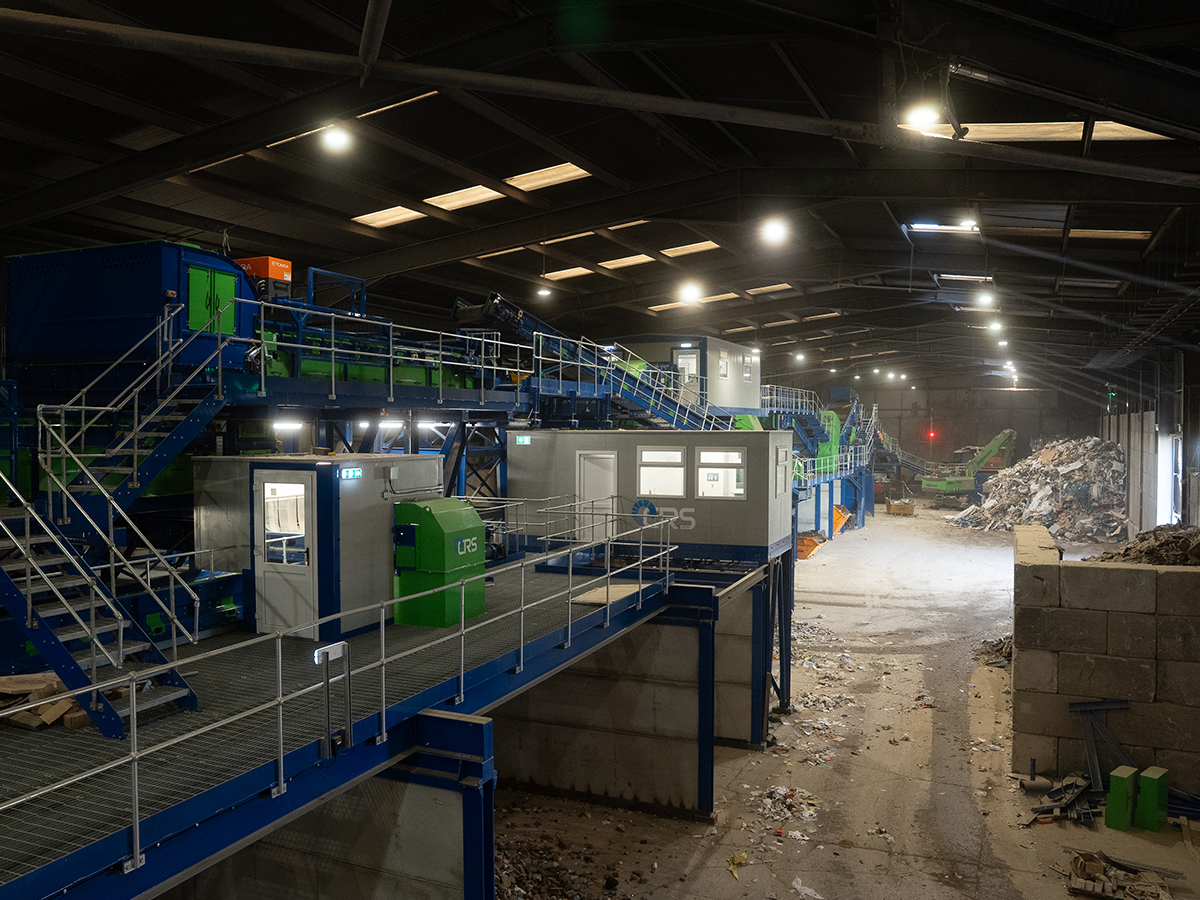
The most effective waste processing plants are not simply collections of individual machines. They are integrated systems designed around the material moving through them.
Recycling screens, feeders, conveyors, air separators, optical sorters, eddy current separators and other technologies all have a role to play. The important question is how those technologies work together and whether each stage is providing the right conditions for the next.
For operators considering a new facility or looking to modernise an existing plant, the starting point should be the waste stream, the recovery objectives and the way the material needs to move through the process.
From there, the right combination of equipment and automation can be selected.
CRS NI designs and builds integrated waste processing plants around the specific requirements of each operation, from understanding the incoming material and recovery objectives through to plant design, manufacturing and installation.
If you’re planning a new waste processing plant or looking to improve the performance of an existing system, we’d be happy to discuss how the right process design can help you recover more value from every tonne processed.
Contact CRS NI
T: +44 (0) 28 8076 0496
E: sales@crsni.com