Why Circular Economy Targets Are Driving a New Generation of Waste Processing Plants
Rising recovery targets, changing waste streams and increasing demand for automation are reshaping how modern waste processing plants are designed. ...
Rising recovery targets, changing waste streams and increasing demand for automation are reshaping how modern waste processing plants are designed. As the recycling industry continues to evolve, operators are looking beyond individual machines and investing in integrated systems built for long-term performance.
The Circular Economy Is Changing Plant Design
For many years, waste processing facilities were designed with one primary objective: process more material.
Throughput remains important, but today’s operators are facing a broader set of requirements. Recovery rates, material purity, operational efficiency and the ability to adapt to changing waste streams are becoming increasingly important when planning and investing in processing infrastructure.
The focus is shifting from simply moving more tonnes through a facility to recovering more value from the material entering it.
Across the UK and Europe, developments such as Extended Producer Responsibility (EPR), Simpler Recycling and Digital Waste Tracking are contributing to this wider shift. While each has different objectives, the direction of travel is clear: greater emphasis is being placed on resource recovery, material quality and understanding what happens to waste once it enters the processing system.
That has implications for plant design.
The question is no longer simply:
“How much material can this facility process?”
Increasingly, operators are asking:
“How much value can we recover, and how clean can we make the final material?”
Recovery Is Becoming the New Measure of Performance
Waste streams are becoming more diverse and recovery expectations continue to rise.
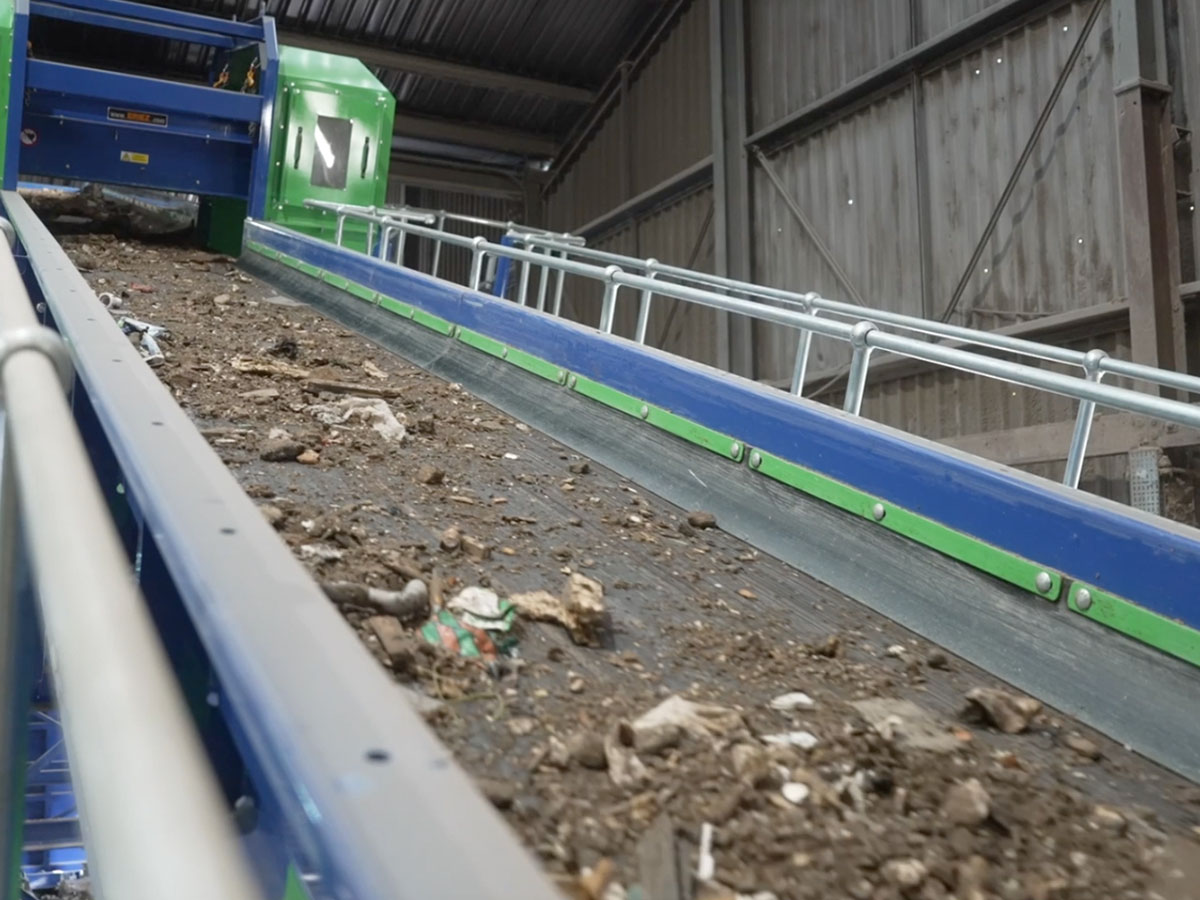
Construction and Demolition (C&D) waste can contain a complex mix of timber, metals, plastics, aggregates and fines. Commercial and Industrial (C&I) waste varies significantly depending on its source, while Automotive Shredder Residue (ASR) presents its own demanding separation challenges.
In each case, processing more tonnes does not necessarily mean recovering more value.
Operators are increasingly focused on the quality of the fractions being produced as well as the quantity being recovered. Purity requirements have increased, with customers looking for cleaner final materials and lower levels of contamination.
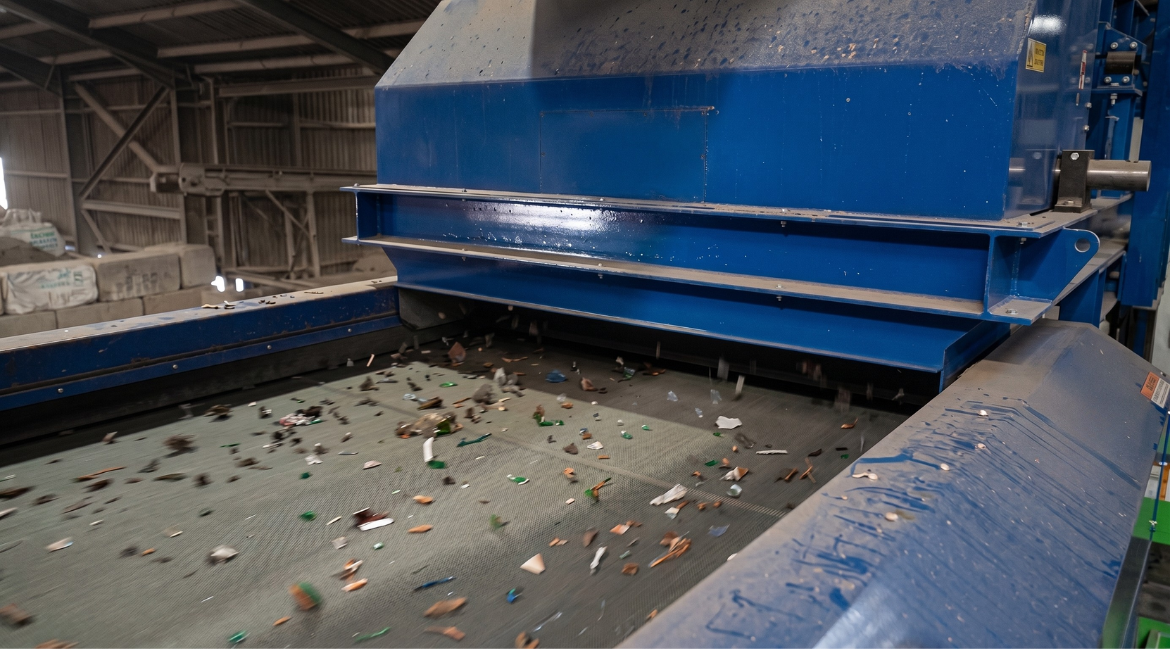
This is particularly important in mid-size fractions, typically around 10–50/60mm, where effective separation can have a significant impact on the quality and value of the final output.
The result is a change in the way plant performance is considered.
Throughput is still important, but recovery, purity and the commercial value of the resulting materials are becoming equally important measures of success.
Purity requirements have increased and now customers need a cleaner final material with less contaminants, particularly with the mid-size that is usually around 10–50/60mm.
This changing emphasis is one of the reasons modern waste processing plants need to be designed around the required output, not simply the incoming volume.
Integrated Plant Design Delivers Better Long-Term Performance
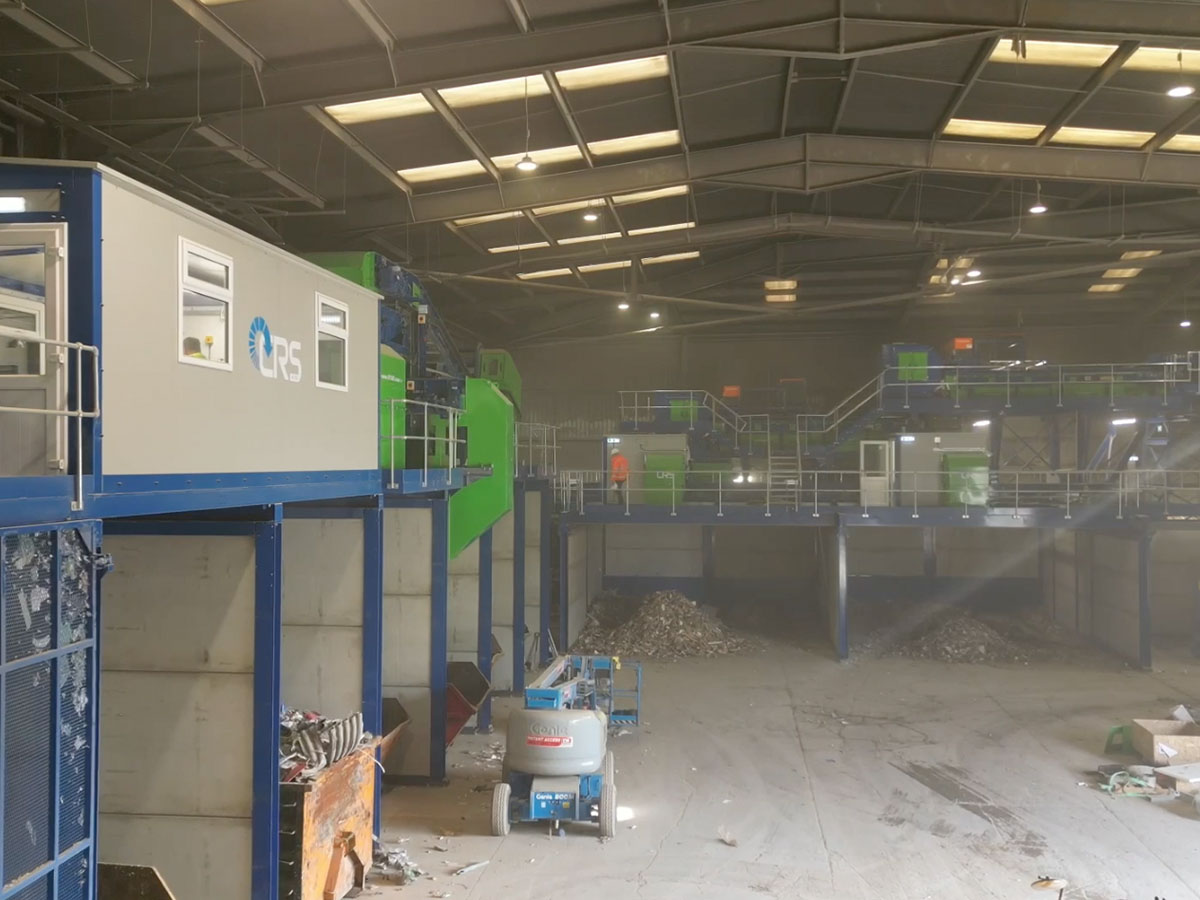
Modern waste processing plants rely on a combination of technologies, including advanced screening systems, air separation, optical sorting, AI-powered waste sorting, eddy current separators and other automated recovery equipment.
Each technology performs a specific task, but its effectiveness depends on how well it integrates with the rest of the process.
Screens can classify material into appropriate size fractions before downstream separation. Air separation can remove lighter materials. Magnets and eddy current separators can recover ferrous and non-ferrous metals, while optical sorting can identify and separate specific materials further through the process.
The important consideration is not simply whether each machine can perform its individual function.
It is whether the complete process has been designed so that each stage gives the next stage the right material to work with.
This is where integrated plant design becomes increasingly important.
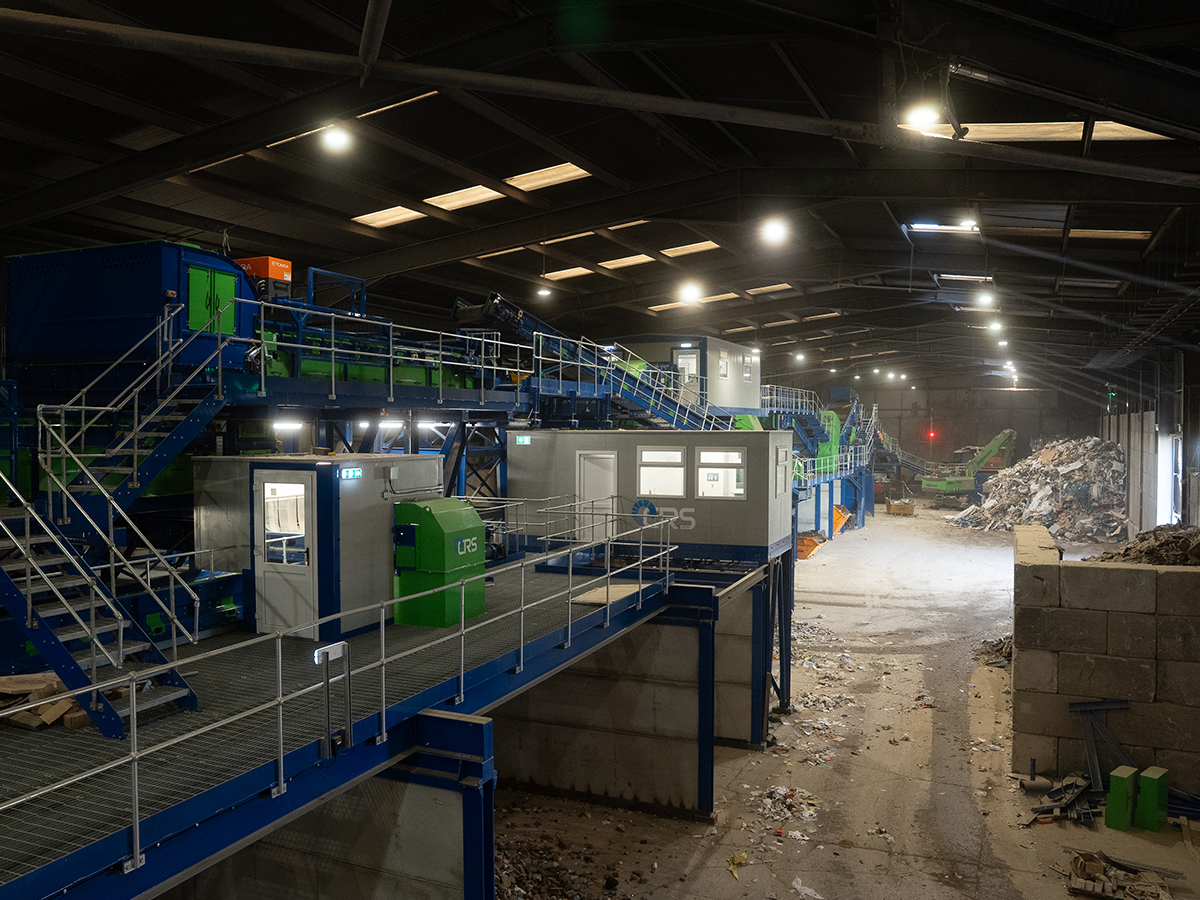
Rather than selecting equipment individually, an experienced plant builder can consider the complete material flow, the required outputs and the points at which valuable fractions should be recovered.
The result is a system designed around recovery rather than a collection of machines operating alongside one another.
Automation Is Changing What Plants Can Do
Automation is becoming an increasingly important part of modern waste processing.
Optical sorters, AI-powered recognition systems and automated separation technologies can improve consistency, increase recovery opportunities and reduce the amount of manual sorting required.
But the role of automation is evolving beyond simply separating materials.
AI is also creating new possibilities for understanding waste streams themselves.
As the engineers from CRS NI explain, customers are increasingly asking whether it is possible to track exactly what is contained within their waste. With the development of AI technology, identifying and analysing materials within a waste stream is becoming increasingly possible.
This could give operators a much clearer picture of what is entering a facility, what is being recovered and where material may be being lost.
That information can support better decisions about plant performance and future investment.
Automation therefore has the potential to influence both sides of the process: improving physical separation while also providing better information about the material being processed.
Designing Plants That Can Adapt
One of the biggest challenges facing the recycling industry is uncertainty.
Waste streams change. Packaging materials evolve. Recovery targets increase. Customer requirements for recycled materials become more demanding.
A facility designed entirely around today’s material stream may therefore struggle to deliver the same performance several years from now.
This makes flexibility an increasingly important consideration in plant design.
Static waste processing plants can provide a strong foundation for future development, allowing additional recovery stages, automation and separation technologies to be incorporated as requirements change.
The objective is not to predict every future development.
It is to avoid designing a facility that leaves no room to respond to them.
Future-proofing therefore needs to be considered from the beginning of the design process.
Understanding the current waste stream, identifying likely changes and considering how the plant could be adapted later can all help protect the long-term value of the investment.
Better Data Can Lead to Better Plant Decisions
The growing focus on traceability and waste tracking is also changing what operators can learn about their own processes.
Historically, understanding exactly what was contained within a waste stream could be difficult. Sampling and manual analysis provide useful information, but they cannot necessarily provide a continuous picture of everything moving through a facility.
AI and automated identification technologies are beginning to change that.
The ability to identify materials within a waste stream could give operators greater visibility of the composition of their incoming material and help identify where valuable fractions are being recovered or lost.
This creates an important connection between data and plant design.
If operators can better understand what is entering the facility and what is leaving it, they can make more informed decisions about screening, separation, automation and future plant upgrades.
Better data does not replace good engineering. It gives engineers better information with which to make engineering decisions.
What Does This Mean for Operators?
The changing expectations around recycling do not mean every operator needs to replace an existing plant or install the latest available technology.
The more important question is whether the existing process is capable of meeting the requirements placed on it.
For some facilities, the greatest opportunity may be improving screening or material presentation. For others, additional separation technology or automation may provide the required improvement.
The starting point should always be the material and the desired outputs.
What is entering the plant?
What has changed in the waste stream?
Which fractions need to be recovered?
What level of purity is required?
Where is valuable material currently being lost?
And how might those requirements change over the next five years?
Answering these questions before selecting equipment can help ensure that investment is directed towards the areas where it will deliver the greatest benefit.
Building the Next Generation of Waste Processing Plants
The Circular Economy is influencing far more than environmental policy. It is changing what operators expect from their waste processing plants.
Modern facilities are increasingly expected to recover more value, produce cleaner commodities, provide better visibility of the materials being processed and remain flexible enough to adapt as requirements evolve.
Meeting those expectations requires more than selecting the latest equipment.
It requires a system-first approach where material composition, recovery objectives, purity requirements, process flow and future flexibility are considered together.
This is changing the role of the plant builder. Designing a waste processing facility is no longer simply about assembling the machines required to process a certain number of tonnes per hour.
It is about understanding the material, identifying where value can be recovered and engineering a complete system around those objectives.
Better Plant Design for a Changing Industry
As recovery expectations continue to increase, operators need facilities designed not only for today’s waste streams but for the changes that are likely to come next.
CRS NI designs and builds integrated waste processing plants for C&D, C&I, ASR, MDR and other complex waste streams. By combining advanced screening, separation, automation, optical sorting and intelligent material recovery technologies into complete engineering solutions, we help operators improve recovery, increase material quality and build greater flexibility into their processing operations.
Whether you’re planning a new Material Recovery Facility, upgrading an existing operation or investigating where your current process could recover more value, the starting point is understanding the material and designing the process around it.
If you’re planning your next waste processing project, we’d be happy to discuss how the right plant design can help you recover more value from every tonne processed.